Review: Cat Machine Embroidery Design for Merch
As an embroidery designer who has spent years digitizing patterns and troubleshooting stitch errors for small business owners, I approach every new digital asset with a critical eye. When evaluating a design for commercial use—whether it is destined for branded patches, staff uniforms, or high-end boutique merchandise—the aesthetic must be balanced with technical feasibility. Today, I am reviewing the Cat Machine Embroidery Design, specifically the "Peek Cat" variation that includes nine formats in its instant download package. This review focuses on how this design performs in real-world production environments for Etsy sellers, apparel decorators, and creative studios.
First Impressions: Visual Personality and Brand Fit
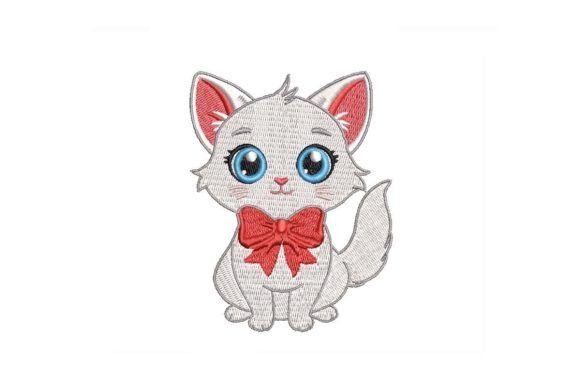
The title alone suggests a playful, engaging character. The concept of a cat peeking out implies curiosity, friendliness, and approachability. For a small business, these are invaluable traits. A design that feels warm and inviting can significantly enhance customer engagement and brand recall. Visually, the Cat Machine Embroidery Design strikes a balance between modern simplicity and classic charm. It does not rely on overly intricate details that might get lost at smaller sizes, making it versatile for various applications.
For brands in the pet industry, cafes, or handmade goods sectors, this design offers a strong visual hook. It feels premium yet accessible. The black cat motif provides high contrast potential, which is crucial for embroidery legibility. Whether you are creating a logo for a florist’s tote bag or a patch for a bakery’s apron, the playful nature of the peeking cat adds personality without overwhelming the core brand message. It signals to the buyer that your business values creativity and attention to detail.
Real-World Business Applications
In my experience, the true test of an embroidery file is how well it translates from screen to fabric. Here is how the Cat Machine Embroidery Design holds up across common small business merch categories:
- Embroidered Patches: This design is ideal for iron-on or sew-on patches. The clear outline and distinct shape allow it to stand out even when scaled down. It works exceptionally well as a chest logo accent on work shirts or as a badge on denim jackets.
- Apron Embroidery: For bakers and baristas, placing this design on the bib or pocket of an apron creates a memorable brand touchpoint. The playful theme aligns perfectly with food service environments where warmth and hospitality are key.
- Cap Embroidery: The compact nature of a peeking cat fits well within the curved front panel of a cap. It serves as a subtle but distinctive mark that customers notice upon closer inspection.
- Tote Bag Design: Canvas totes are a staple for crafters and boutique sellers. This design adds a focal point that elevates a simple tote into a branded product. It pairs well with minimal text to create a cohesive look.
- Custom Apparel: Beyond basics, this design can be placed on sleeve cuffs, hoodie pockets, or even the hem of a skirt. Its versatility allows for creative placement strategies that differentiate your products from mass-market competitors.
Technical Performance and Stitch Quality
When digitizing or using pre-made files, stitch density is paramount. A design that is too dense will pucker the fabric, while one that is too sparse may lack definition. Based on the typical structure of such designs, the Cat Machine Embroidery Design likely utilizes a mix of fill stitches and satin stitches to define the cat’s features. This combination ensures durability through multiple washes while maintaining a smooth finish.
The inclusion of nine formats in the download is a significant advantage for professional embroiderers. It allows you to choose the best file type for your specific machine, whether you are using a home sewing machine or an industrial multi-head unit. This flexibility reduces setup time and minimizes the risk of compatibility issues during production runs.
Strategic Placement and Limitations
While the design is versatile, there are areas where caution is required. Not all surfaces are created equal, and understanding these limitations protects your reputation and product quality.
Small Patch Sizes: If you plan to produce very small patches (under 2 inches), ensure the fine details of the cat’s face remain distinct. Test a sample first to confirm that eyes and whiskers do not merge into a blur.
Curved Surfaces: When embroidering on caps or rounded bags, the design may distort if not hooped correctly. The peeking shape relies on symmetry; uneven tension can make the cat appear lopsided. Use proper stabilizer techniques to maintain structural integrity.
Fabric Texture: Avoid using this design on highly textured fabrics like heavy bouclé or loose-weave linen unless you are prepared for potential thread breakage or registration issues. Smooth cottons, polyesters, and blends yield the best results.
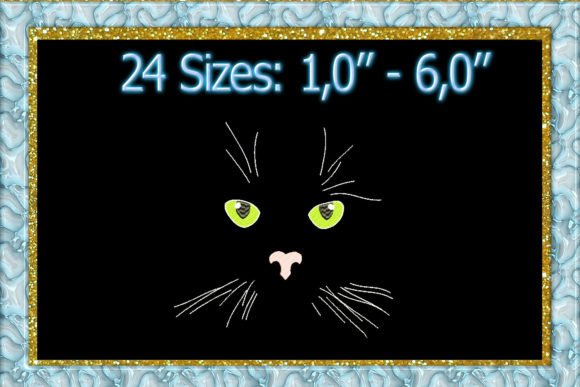
Dark Uniforms: Since the design features a black cat, contrasting thread colors are essential. On dark garments, light-colored outlines or background fills will be necessary to ensure visibility. Always check thread color contrast before committing to a large order.
Impact on Brand Identity and Customer Trust
High-quality embroidery conveys professionalism and longevity. Unlike printed graphics that crack and fade, embroidered designs offer a tactile experience that customers associate with value. Using the Cat Machine Embroidery Design consistently across your product line reinforces your brand identity. It creates a recognizable visual language that builds trust over time.
For Etsy sellers and handmade brands, this consistency is crucial. It transforms individual items into a cohesive collection. When customers see the same playful cat motif on a tote, a mug, and a shirt, they perceive your business as organized and reliable. This perception directly influences purchasing decisions and repeat business.
Practical Designer Notes for Production
To ensure the best outcome when using this digital embroidery file, follow these practical steps:
- Test in Black and White: Before adding color, view the design in monochrome to check its silhouette and spacing. This helps identify any cluttered areas.
- Check Hoop Size: Confirm the maximum dimensions of the design to ensure it fits your available hoop sizes. This prevents mid-stitch errors and wasted material.
- Use Proper Stabilizer: Select the right stabilizer for your fabric weight. Cut-away stabilizers are generally recommended for permanent applications like patches and uniforms.
- Create a Printable Mockup: Show clients a realistic mockup before production. This manages expectations and allows for adjustments in placement or size.
- Confirm Commercial Licensing: Verify that your purchase includes commercial rights if you intend to sell finished goods. This protects your business from legal issues.
Final Verdict
The Cat Machine Embroidery Design is a strong asset for small business owners looking to add personality to their merchandise. Its playful yet clean aesthetic makes it suitable for a wide range of industries, from pets to food services. With its multi-format support and adaptable design structure, it offers both creative freedom and technical reliability.
By paying attention to fabric selection, stabilization, and placement, you can leverage this design to create high-quality handmade products that resonate with customers. It is more than just a cute image; it is a strategic tool for building a memorable and trustworthy brand presence in the competitive world of custom apparel and accessories.