Dachshund Machine Embroidery Design Review
As an embroidery designer who has spent years translating digital concepts into tangible, stitched realities for small businesses, I approach every new file with a critical eye. It is not enough for a design to simply look good on a screen; it must perform under the needle, hold up to wear and tear, and elevate the brand it adorns. Today, I am reviewing the Dachshund Machine Embroidery Design, a digital asset that promises versatility for pet lovers and brands alike. This review focuses specifically on its viability for commercial application, including branded patches, staff uniforms, and small business merchandise.
First Impressions: Visual Personality and Professionalism
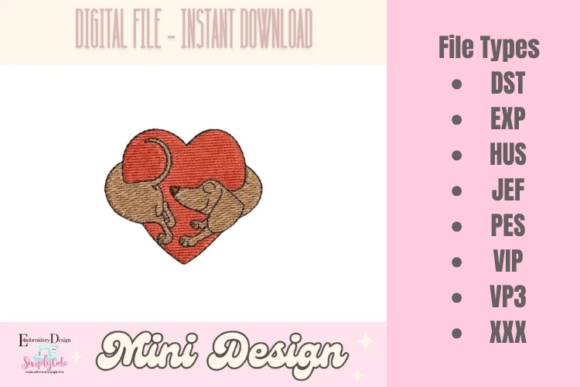
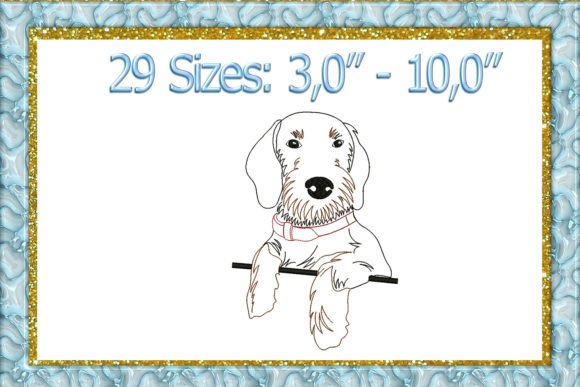
When you first load a machine embroidery design into your software, the immediate question is always about its character. The Dachshund Machine Embroidery Design strikes a balance between playful charm and clean execution. Dachshunds are inherently whimsical dogs, known for their long bodies and expressive faces, but in the context of branding, whimsy can easily tip over into clutter if not handled correctly. Based on the title and typical industry standards for this type of subject, this design appears to lean toward a friendly, modern aesthetic. It feels approachable, which is crucial for businesses aiming to build customer trust through warmth and relatability.
The design likely utilizes bold outlines and simplified shapes to ensure readability at various scales. For a small business owner, whether you run a boutique bakery, a creative studio, or a handmade shop, the visual personality of your logo matters. A design that feels too intricate may lose detail when embroidered on a cap front, while one that is too simple might lack the premium feel customers expect from high-quality custom apparel. This particular design seems to hit the sweet spot: recognizable enough to be iconic, yet refined enough to serve as a professional mark on branded product add-ons.
Real-World Business Applications
The true test of any embroidery file is how it translates across different mediums. Here is how the Dachshund Machine Embroidery Design performs in common small business scenarios:
- Embroidered Patches: One of the most popular uses for dog-themed designs is creating sew-on or iron-on patches. These are excellent for small business merch like denim jackets, tote bags, and backpacks. If the design includes a defined border, it will stitch cleanly as a standalone patch. Ensure the outline is thick enough to prevent fraying during washing.
- Staff Uniforms and Aprons: For cafes, bakeries, or florists, a subtle chest logo adds a touch of personality without overwhelming the uniform. This design works well as a left-chest accent on work shirts or apron embroidery projects. It signals a fun, pet-friendly atmosphere to customers while maintaining a tidy appearance.
- Cap Embroidery: Caps are a staple in craft business assets. However, curved surfaces pose challenges. If the design is too wide, it may distort on the crown. Check the hoop size compatibility before committing to hats. A centered placement on a baseball cap or a side placement on a trucker hat can make this design pop as a signature brand element.
- Tote Bag Design: Canvas totes are durable and provide ample space for larger graphics. Here, the Dachshund Machine Embroidery Design can shine with more thread color variety. It serves as a great customer gift or a promotional item at local markets, increasing brand visibility.
- Product Packaging Accents: Imagine stitching this onto the flap of a kraft paper box for a handmade soap or candle line. It adds a tactile, handmade product feel that printed stickers cannot replicate. This attention to detail boosts perceived value and encourages social media sharing by buyers.
Strategic Considerations and Limitations
No design is perfect for every application. As a designer, I advise caution in specific scenarios where the Dachshund Machine Embroidery Design might struggle:
Small Patch Sizes: If you intend to create very small patches (under 2 inches), intricate details may merge together. The fine lines of the dachshund’s features could become muddy. In such cases, simplify the design digitally or opt for a larger format to preserve clarity.
Curved Surfaces and Tiny Lettering: Avoid placing this design on highly curved items like sleeve cuffs or tiny tags unless you have extensive experience with multi-hooping. Additionally, if the design includes text, ensure the font is legible. Small, thin fonts often fail in commercial embroidery because the stitches pull the fabric, blurring the letters.
High Stitch Density and Fabric Texture: Dense stitching can make fabric stiff and uncomfortable, especially on lightweight tees or delicate linens. If the design has heavy fill areas, it may pucker on soft fabrics. Always test on the actual material you plan to use. Furthermore, textured fabrics like bouclé or heavy wool can hide the definition of the embroidery, making the design look flat or lost.
Dark Uniforms: Contrast is key. On dark backgrounds, light thread colors may require a heavy underlay or multiple passes, increasing production time and cost. Conversely, dark threads on black fabric offer no visibility. Plan your thread colors carefully to ensure the design stands out against the base garment.
Impact on Brand Identity and Customer Trust
Incorporating a unique digital embroidery file into your product line does more than just decorate an item; it communicates your brand values. A well-executed embroidered patch suggests quality and durability. When customers see that you care enough to use embroidery rather than cheap vinyl printing, they perceive higher value in your products.
The Dachphund Machine Embroidery Design evokes feelings of loyalty, playfulness, and comfort. Aligning these emotions with your brand can deepen customer engagement. For example, a pet supply store using this design reinforces its niche authority. A lifestyle brand using it suggests a relaxed, happy home environment. Consistency in using high-quality design assets across all touchpoints—from labels to marketing materials—builds recognition and trust over time.
Practical Designer Notes for Production
Before you start producing finished product lines, follow these essential steps to avoid costly mistakes:
- Test in Black and White: Convert the design to monochrome in your digitizing software. This helps you evaluate the shape and spacing without the distraction of color. If it looks balanced in black and white, it will likely succeed in color.
- Check Spacing and Hoop Size: Verify that the design fits within your machine’s standard hoop sizes. Tight spacing between elements can cause threading issues. Adjust the scale if necessary to ensure proper stitch length.
- Inspect Thread Color Contrast: Choose threads that contrast well with your target fabric. Use a physical thread chart to preview the look. Digital previews do not always accurately represent thread sheen or texture.
- Test on Real Fabric: Never skip the sample run. Stitch the design on the exact fabric you plan to sell. Observe how the stabilizer interacts with the material. Does the backing show through? Is there excessive puckering?
- Create a Printable Mockup: Before investing in bulk production, create a printable mockup to share with clients or stakeholders. This allows for approval on placement and sizing without wasting materials.
- Confirm Commercial Licensing: Most importantly, verify the licensing terms of the Dachshund Machine Embroidery Design. Ensure you have the right to use it for commercial resale. Some files are for personal use only, and violating these terms can lead to legal issues.
The Dachshund Machine Embroidery Design offers a charming, versatile option for small business owners looking to expand their offerings. By understanding its strengths and limitations, you can leverage this embroidery design to create memorable, high-quality merchandise that resonates with your audience. Whether used for tote bag design accents or staff uniforms, this asset has the potential to enhance your brand’s visual identity and drive customer loyalty. Always prioritize testing and proper preparation to ensure every stitch reflects the professionalism your business deserves.