Dog Bone Mini Embroidery Review
As an embroidery designer who spends most of my days tweaking stitch density and testing thread contrasts, I am always on the lookout for machine embroidery design files that offer versatility without sacrificing visual impact. When browsing Creative Fabrica embroidery collections for my latest boutique apparel line, I stumbled upon the Dog Bone Mini Embroidery. At first glance, it seemed like a simple motif, but after reviewing the file structure and imagining its application on various garments, I realized this tiny file holds significant potential for custom apparel projects.
This review is not just about a cute bone; it is about how a small, well-executed embroidery file can elevate a brand’s identity. Whether you are an Etsy seller, a small shop product creator, or a fashion entrepreneur looking to add a touch of personality to your collection, understanding the nuances of this design is key to creating professional, sellable goods.
First Impressions: Visual Mood and Design Personality
The immediate appeal of the Dog Bone Mini Embroidery lies in its minimalist charm. It does not scream for attention with excessive detail or overwhelming complexity. Instead, it offers a clean, graphic silhouette that feels both playful and classic. For a boutique brand aiming for a modern, approachable aesthetic, this design strikes the right balance. It is not overly childish, nor is it too serious, making it suitable for a wide demographic ranging from teenagers to adults who appreciate subtle lifestyle statements.
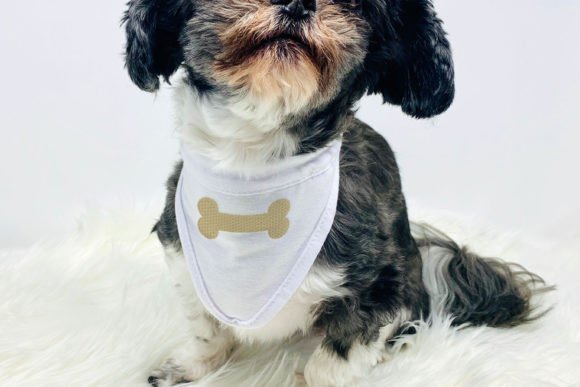
The design features a single bone shape, which allows for creative interpretation through thread colors. Because the motif is compact, it relies heavily on the quality of the fill stitches and the contrast against the fabric. In my experience, designs that embrace simplicity often yield the highest customer satisfaction because they are easier to style and less likely to date quickly. This mini embroidery fits perfectly into the current trend of "quiet luxury" meets "playful casual," where small, meaningful details make the garment feel special without being loud.
Application on Boutique Apparel and Sweatshirts
The primary use case for this digital embroidery file is undoubtedly sweatshirt embroidery. The 4x4 hoop limitation actually works in its favor here, as it encourages precise placement rather than sprawling, messy layouts. Imagine a soft, heather grey hoodie with the Dog Bone Mini Embroidery stitched cleanly on the left chest. The result is a sophisticated look that appeals to dog lovers who want something more refined than a large, front-center graphic print.
For a cohesive collection, consider placing multiple bones in a row along the sleeve cuff or down the side seam. This technique transforms a basic hoodie design into a statement piece. The repetition creates rhythm and visual interest, drawing the eye across the garment. On oversized garments, these smaller placements work exceptionally well because they do not get lost in the volume of the fabric. They provide focal points that anchor the loose fit.
Beyond hoodies, this design shines on t-shirt embroidery. A small bone on the back neckline or centered on the front pocket area adds a layer of texture that prints simply cannot replicate. The tactile nature of embroidery signals quality to the consumer, enhancing the perceived value of the finished product. It suggests that care was taken in the manufacturing process, which builds trust with buyers.
Versatility Across Different Garments
- Pastel Hoodies: Soft pinks, lavenders, or mint greens paired with contrasting white or gold thread create a feminine, trendy look perfect for spring collections.
- Dark Apparel: On black or navy sweatshirts, bright neon threads or metallic golds can make the bone pop, offering a bold, urban aesthetic.
- Denim Jackets: Embroidering on denim requires a sturdy stabilizer, but the result is a durable, vintage-inspired accent that looks great on the back yoke or front pocket.
- Tote Bags: While primarily an apparel focus, this design translates beautifully to canvas tote bags, expanding your commercial embroidery offerings into accessories.
Technical Considerations for Production
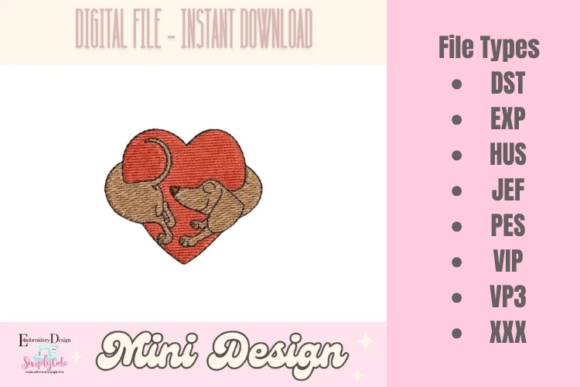
Before committing to mass production, there are several technical aspects every designer must evaluate. The product description notes that the file includes 8 formats (DST, EXP, HUS, JEF) and 4 sizes within a zip file. This variety is crucial for compatibility across different embroidery machines, ensuring that machine embroidery design enthusiasts using various brands can utilize the file.
However, because the design is classified as a "mini" embroidery, attention to stitch density is paramount. If the stitches are too sparse, the fabric texture may show through, ruining the crispness of the bone shape. Conversely, if the density is too high for such a small area, the fabric may pucker, especially on lightweight cotton blends used in premium t-shirts. Always test on scrap fabric that matches the weight and stretch of your final garment.
Stabilizer choice is another critical factor. For knit fabrics like fleece or jersey, a cut-away stabilizer is generally recommended to prevent distortion during wear and washing. For woven fabrics like denim or canvas, a tear-away may suffice, provided the hoop tension is correct. Ignoring these variables can lead to inconsistent results, which damages brand reputation.
Placement Strategies and Potential Pitfalls
While the design is versatile, some placement areas require caution. Avoid stitching directly over ribbed cuffs or collars unless you have extensive experience managing stretchy fabric. The tension of the machine arm can distort the ribbing, leading to misalignment. Similarly, dense stitch areas should be avoided on curved surfaces like the shoulders of a tee, where the fabric naturally bends and wrinkles.
When designing for dark garments, ensure your chosen thread colors have sufficient contrast. A dark blue bone on a black hoodie will be invisible. Opt for white, cream, or pastel threads to maintain visibility and aesthetic appeal. Additionally, inspect the digitization for any tiny lettering or fine details that might be lost in the stitching process. If the original file lacks clear definition at smaller sizes, scaling up slightly within the 4x4 limit might be necessary.
Brand Identity and Commercial Value
In the competitive world of handmade products, visual consistency is what sets successful shops apart. Using a cohesive set of motifs like the Dog Bone Mini Embroidery helps establish a recognizable brand language. When customers see your repeated bone motif on social media graphics, printable mockup images, and actual listings, they begin to associate that specific aesthetic with your name.
This recognition fosters buyer trust. A professionally executed handmade product with clean embroidery conveys reliability. It tells the customer that you pay attention to detail, which extends to their expectations of packaging, shipping, and customer service. Furthermore, the ability to create diverse lifestyle product photos using this single design allows for efficient content creation. You can showcase the same item on different models, in different settings, and with different styling choices, maximizing the return on investment for each digital asset.
Final Designer Notes
The Dog Bone Mini Embroidery is a solid addition to any designer’s library, particularly those focusing on casual, pet-friendly apparel. Its strength lies in its adaptability and clean execution. To get the best results:
- Test Thoroughly: Always run a test stitch on your specific fabric type before starting production runs.
- Check Licensing: Verify the commercial use terms on Creative Fabrica before selling finished apparel. Ensure you have the right license for the volume of items you plan to produce.
- Experiment with Threads: Don’t stick to standard polyester. Try rayon for a sheen effect on darker fabrics, or cotton for a rustic, matte finish on earth-toned hoodies.
- Confirm Hoop Size: Although it fits in a 4x4 hoop, double-check the exact dimensions of the largest size included to ensure it aligns with your machine’s capabilities.
By treating this small design with the same respect as a large, complex jacket piece, you can create a line of boutique apparel that resonates with customers. It proves that sometimes, the smallest details make the biggest impression.