Brown Rose Embroidery Designs Review
As an embroidery designer who spends weekends hunched over a sewing machine and weekdays planning inventory for craft fairs, I know that not every digital file translates into a bestseller. The difference between a design that sits on your hard drive and one that clears your booth table often comes down to visual impact, production practicality, and market fit. Today, I am reviewing the Brown Rose Embroidery Designs, a floral pattern described as stunning, precise, and inspired by timeless motifs. My goal is to determine if this machine embroidery design has the legs to become a staple in my handmade product line or if it should remain a niche experiment.
First Impressions: Timeless Elegance Meets Market Reality
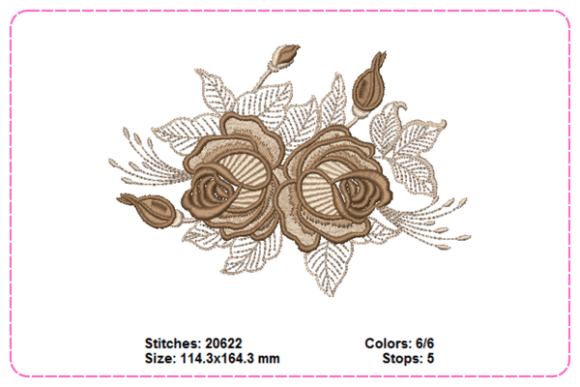
The description highlights "timeless motifs" and a "touch of elegance." In the world of embroidery file selection, these words usually signal a design that leans toward classic, rustic, or farmhouse aesthetics rather than ultra-modern or neon-bright trends. A brown rose suggests warmth, earthiness, and sophistication. It feels less like a playful pop-art statement and more like a premium accent piece.
For a craft fair product, this aesthetic is powerful. It appeals to buyers looking for items that feel curated and high-quality. When I imagine walking up to a booth, a tea towel embroidery featuring a detailed brown rose stands out against the sea of bright florals and generic patterns. It feels grounded. However, because it is described as "intricate," I immediately think about how those intricate details will hold up when stitched at various sizes. Elegance can quickly turn into mud if the stitch density is too high or the thread contrast is poor.
Product Application: Where Brown Rose Shines
To evaluate the true value of Brown Rose Embroidery Designs, we have to look at where it lives on finished goods. Not every handmade product benefits from the same design treatment. Here is how I see this digital embroidery file performing across different categories:
- Tote Bag Design & Market Bags: This is perhaps the strongest application. A brown rose centered on a canvas tote or a sturdy linen market bag offers a perfect balance of utility and style. The size of a tote allows the "intricate patterns" mentioned in the description to breathe. Customers can appreciate the detail from a distance, which drives engagement at a fair.
- Apron Embroidery: For kitchen aprons, placement is key. A chest-level placement works well for a focal point, while a smaller pocket placement adds a subtle touch of class. The brown tones likely pair beautifully with denim, cream, or olive green fabrics, making it versatile for home cooks who want their tools to look as good as they function.
- Tea Towel Embroidery: Linen and cotton tea towels are impulse-buy staples. If the design is scaled correctly, it adds immediate perceived value. A simple hem-stitched tea towel with a single, elegant brown rose feels like a boutique item rather than mass-produced decor.
- Embroidered Patch & Caps: Translating an intricate floral design onto a curved cap surface or a small patch requires careful digitizing. If the design loses clarity when shrunk, it may not be suitable for caps. However, as a sew-on patch for denim jackets or backpacks, it could serve as a unique accessory for fashion-forward buyers.
- Pillow Covers & Home Decor: For larger items like pillow covers, the design can be repeated or enlarged. This allows the "stunning" aspects of the motif to truly shine. These items often command a higher price point, appealing to customers looking for gift-worthy handmade products.
Production Practicality and Booth Display
From a seller’s perspective, a design must be repeatable. Can you produce ten of these in a day without burning out? The answer depends on the complexity. Because the description mentions precision, I suspect the stitch count is moderate to high. High stitch counts mean longer run times, which increases your cost per unit in terms of labor and machine wear.
When photographing for Etsy listings or social media, the brown rose needs strong contrast. On light fabrics, it will read clearly. On dark fabrics, it might disappear unless specific metallic or contrasting thread colors are used. This is a crucial consideration for your printable mockup strategy. You want to ensure that the online representation matches the physical reality so customers know exactly what they are buying.
In a booth setting, visual hierarchy matters. A cluster of tote bags with the brown rose design creates a cohesive brand look. Buyers are drawn to consistency. If every item on your table screams "professional," trust increases, and sales follow. The elegant nature of this design helps establish that brand authority.
Careful-Use Notes for the Designer
Before committing to bulk production, there are several technical hurdles you must clear. As an experienced designer, I advise caution in the following areas:
- Stitch Density and Clarity: Intricate designs often suffer from thread breaks or puckering if the fabric is too thin. Test the stitch density on your actual target fabric. If the rose petals merge together due to dense stitching, the elegance is lost.
- Fabric Texture: Items like tea towels have a woven texture that can interfere with fine stitches. Ensure the design does not get lost in the weave. Conversely, smooth cottons or linens will showcase the precision best.
- Hoop Size Constraints: Confirm the required hoop size. If the design is large, you may need multiple hooping attempts, which increases the risk of misalignment. Smaller hoop-friendly versions are often more versatile for mixed inventory.
- Thread Contrast: Choose thread colors carefully. A monochromatic brown-on-brown look can be chic but risky. Adding a subtle highlight thread or using a neutral background fabric ensures the design pops.
- Stabilizer Selection: Use the right stabilizer for the project. Cut-away stabilizers are generally safer for intricate designs on stretchy or heavy fabrics to prevent distortion over time.
Final Verdict for Commercial Embroidery
Brown Rose Embroidery Designs appears to be a strong candidate for commercial embroidery projects aimed at the mid-to-high-end handmade market. It avoids the fleeting trends that fade after a season, opting instead for a timeless appeal that resonates with craft fair shoppers and Etsy sellers alike.
It works best as a small shop product that emphasizes quality over quantity. It is ideal for tote bag design, apron embroidery, and decorative home accents. By paying attention to fabric choice, thread contrast, and proper stabilization, you can transform this digital asset into a tangible bestseller. Just remember to check the specific license terms before selling finished products, and always create at least one real mockup to verify the design’s performance on your equipment. If executed well, this design will add significant value to your brand and attract customers who appreciate the finer details of handmade craftsmanship.