Rose Flower Embroidery Design Review
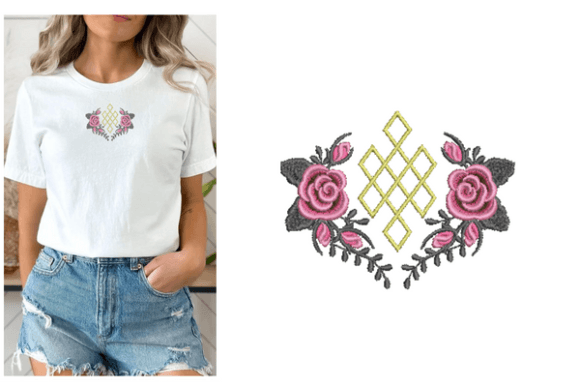
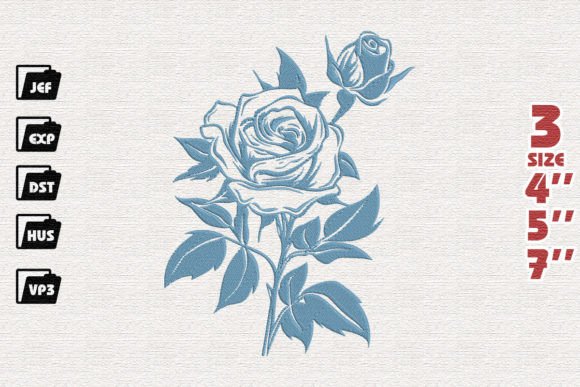
In the world of small business branding, every stitch tells a story. As an experienced embroidery designer who has reviewed thousands of digital files for everything from boutique apparel to corporate uniforms, I look at designs through a specific lens: commercial viability. Today, I am reviewing the Rose Flower Embroidery design file. This piece is marketed as a digital masterpiece perfect for embellishing textiles with nature’s beauty and color. But does it hold up when you are trying to create sellable merchandise, branded patches, or professional staff uniforms?
This review breaks down how this machine embroidery design performs in real-world business applications, focusing on small business owners, Etsy sellers, apparel decorators, and craft creators.
First Impressions: Visual Personality and Brand Fit
When you first load the Rose Flower Embroidery file into your digitizing software, the immediate takeaway is its elegance. The title suggests a classic, romantic aesthetic, while the description promises a "burst of color." In practice, this translates to a design that feels premium yet approachable. It strikes a balance between being too delicate (which can get lost on fabric) and too bold (which can overwhelm a brand).
For businesses aiming for a handmade product vibe, this design works exceptionally well. It evokes feelings of trust, professionalism, and care. Whether you are running a local florist shop, a boutique bakery, or a creative studio, the rose motif is universally recognized. It signals quality without shouting. However, because it is a floral subject, it leans heavily toward feminine or neutral brand identities. If your business targets rugged outdoor gear or heavy industrial workwear, this might feel out of place unless used as a subtle accent.
Real-World Business Applications
The true test of any embroidery file is its versatility across different products. Here is how Rose Flower Embroidery performs in key commercial categories:
Branded Patches and Uniforms
One of the strongest use cases for this design is the creation of embroidered patches. For small cafes, boutiques, or pet brands, a circular or shield-shaped patch featuring this rose can serve as a logo anchor. When placed on the chest of a work shirt or the sleeve of a jacket, it adds a layer of visual consistency and team pride. The design’s likely moderate detail level makes it suitable for standard uniform fabrics like cotton twill or polyester blends, provided the thread colors contrast well against the base fabric.
Caps and Headwear
Cap embroidery is a staple for merch creators. The rose motif works beautifully on the front panel of baseball caps, trucker hats, or beanies. Because roses have a natural symmetry, they tend to sit well on the curved surface of a cap front. For a coffee shop or a lifestyle brand, a single embroidered rose on a structured cap can elevate the perceived value of the item, making it a desirable giveaway or sale item.
Tote Bags and Aprons
For tote bag design and apron embroidery, this file offers excellent decorative potential. Canvas tote bags are a favorite among Etsy sellers, and a centrally placed or corner-placed rose design adds a touch of artisanal charm. Similarly, for bakeries or florists, embroidering this onto canvas aprons creates a cohesive look for staff. It reinforces the brand identity by connecting the worker directly to the aesthetic of the product they are selling.
Product Packaging and Labels
Beyond apparel, this digital embroidery file can be used to create branded labels sewn into garments or tags attached to packaging. A small version of the rose on a hang tag or a woven label inside a garment box adds a tactile element that customers appreciate. It transforms a simple transaction into a memorable unboxing experience.
Where to Exercise Caution
While the design is beautiful, no embroidery file is perfect for every application. As a designer, I advise caution in the following scenarios:
- Small Patch Sizes: If you plan to reduce this design to fit on a very small patch (under 1 inch), you may lose critical details. Fine lines and inner petals might merge together, creating a muddy appearance. Always test the scale before production.
- High Stitch Density Areas: Check the stitch density in the center of the flower. If the density is too high, it can cause puckering on lightweight fabrics like thin cotton tees or silk. This is particularly important if you are using the design on custom apparel that needs to remain soft to the touch.
- Dark Uniforms and Fabric Texture: On dark backgrounds, ensure you have enough underlay stitches to prevent the fabric from showing through. Conversely, on highly textured fabrics like heavy denim or fleece, fine details may get swallowed by the nap of the material. Stick to smoother fabrics for the best definition.
- Curved Surfaces: While caps are generally okay, highly curved items like sleeves or collars can distort the circular symmetry of the rose. Digitize with stretch compensation in mind.
Impact on Brand Identity and Customer Trust
Investing in high-quality embroidery is an investment in your brand identity. Customers often associate detailed, clean embroidery with attention to detail and quality craftsmanship. Using a polished design like Rose Flower Embroidery helps build customer trust. It signals that you care about the presentation of your goods.
Furthermore, visual consistency is key. If your logo, website, and social media graphics feature floral elements, having matching embroidery assets ensures a unified brand experience. This recognition factor boosts buyer engagement and encourages repeat purchases. A well-executed finished product speaks louder than marketing copy ever could.
Practical Designer Notes for Production
Before you start stitching hundreds of units, follow these essential steps to ensure success:
- Test in Black and White: Convert the design to monochrome to check contrast and spacing. If it looks cluttered in black and white, it will likely struggle in color.
- Check Thread Color Contrast: Ensure your chosen thread colors pop against your target fabric. Light threads on light fabric will disappear; dark threads on dark fabric may lack definition.
- Confirm Hoop Size: Verify that the design fits within your machine’s hoop limits. If you need to split the design for larger items, plan the seams carefully.
- Use Proper Stabilizer: The right stabilizer prevents distortion. Cut-away stabilizers are recommended for permanent items like caps and bags, while tear-away may suffice for temporary projects.
- Create a Printable Mockup: Before committing to expensive fabric, create a printable mockup to show clients or stakeholders. This helps manage expectations regarding size and placement.
- Verify Commercial Licensing: Most importantly, confirm that you have the right to use this design asset for commercial purposes. Ensure you are not infringing on intellectual property rights.
In conclusion, Rose Flower Embroidery is a versatile and elegant choice for small business merch. It offers a professional finish that enhances product value and strengthens brand presence. By testing thoroughly and applying it strategically to the right products, you can turn this digital file into a tangible asset for your business growth.