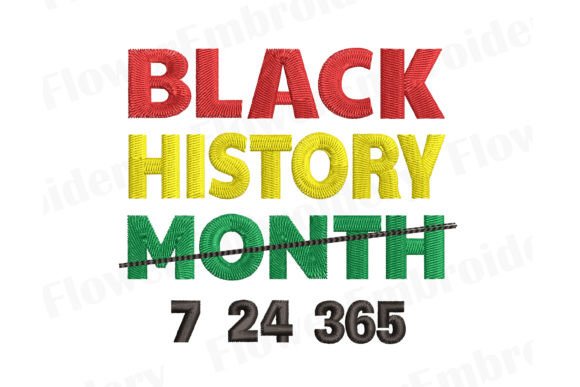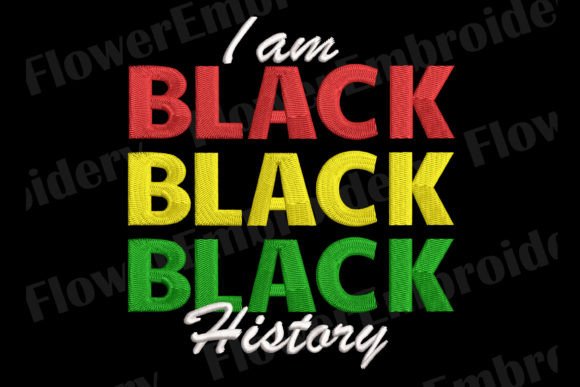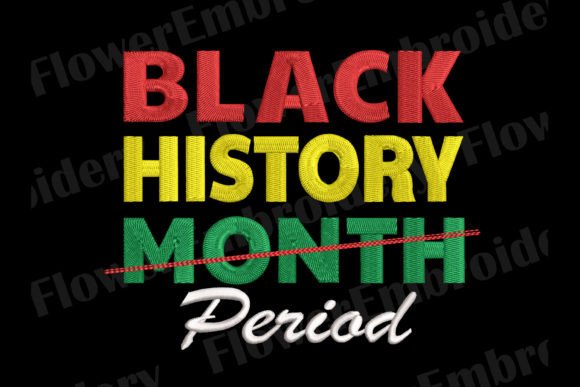
Black History Machine Embroidery
As an embroidery designer who has spent years turning digital files into tangible brand assets, I approach every new design with a critical eye. We aren’t just looking for something that looks good on a screen; we are looking for commercial viability, stitch efficiency, and brand alignment. When reviewing Black History Machine Embroidery, the primary question is not just aesthetic appeal, but how well it translates to small business merchandise and branded patch use. This review focuses on the practical application of this design for apparel decorators, Etsy sellers, boutique owners, and creative studios looking to expand their product lines with meaningful, high-quality embroidered goods.
First Impressions and Visual Personality
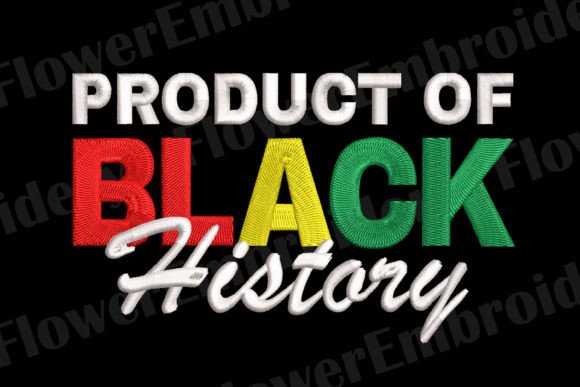
The title alone suggests a design rooted in heritage, pride, and awareness. From a professional standpoint, designs categorized under Awareness often carry a weight that requires careful handling. The initial visual assessment of Black History Machine Embroidery leans towards bold and modern. It does not feel like a delicate, vintage lace pattern, nor does it appear overly rustic or handmade in a rough sense. Instead, it projects a premium, statement-making energy that is ideal for creating impact.
For small business owners, this distinction is crucial. A design that feels too decorative may get lost on a busy retail shelf, whereas a design with strong graphic integrity stands out. This particular file appears to balance elegance with strength, making it suitable for a wide range of applications. Whether you are running a café, a handmade jewelry shop, or a creative studio, the visual personality of this design supports a narrative of respect and celebration without being overly literal. It offers endless possibilities for Juneteenth celebrations, educational events, or year-round brand messaging that aligns with inclusive values.
Real-World Business Applications
In the world of custom apparel and merch creation, versatility is key. Here is how Black History Machine Embroidery performs across various common business use cases:
- Embroidered Patches: One of the most profitable items for craft businesses is the embroidered patch. This design’s structure likely lends itself well to being digitized as a detachable patch. These can be sold as standalone products or applied to denim jackets, beanies, and tote bags by customers themselves, adding value to your handmade product offerings.
- Staff Uniforms and Aprons: For local businesses like bakeries, florists, or boutiques, staff uniforms are walking billboards. Placing this design on the chest or back of an apron embroidery project signals brand values to customers immediately. It enhances professionalism and shows that the business is engaged with community identity.
- Cap Embroidery: Caps remain a staple in merch creation. The design’s likely clean lines make it a strong candidate for cap fronts. However, curvature must be considered (see below). A well-executed cap design here can become a bestseller during relevant awareness months.
- Tote Bag Design: Canvas totes are ubiquitous in the Etsy seller space. Using this as a central motif on a tote bag elevates the item from a simple utility object to a statement piece. It appeals to shoppers looking for durable, meaningful accessories that support cultural appreciation.
- Product Packaging Accents: Beyond apparel, consider using this design on hang tags, fabric labels, or even as a stamp effect on packaging paper. This attention to detail reinforces brand identity and creates a cohesive unboxing experience for your buyers.
Strategic Brand Identity and Customer Trust
Using Black History Machine Embroidery in your commercial embroidery projects does more than fill inventory slots; it communicates your brand’s stance. In today’s market, customers are increasingly drawn to brands that demonstrate authenticity and social awareness. By offering high-quality, thoughtfully designed merchandise, you build customer trust and recognition. A consistent visual language—where your logo, your color palette, and your thematic designs like this one work together—creates a polished, professional image. This leads to higher perceived product value and encourages repeat engagement from your audience.
Practical Embroidery Designer Notes
Before purchasing or integrating this digital embroidery file into your production workflow, there are several technical considerations that separate a successful launch from a costly mistake. As a designer, I always advise testing thoroughly.
- Test in Black and White First: Before committing to expensive thread colors, view the design in grayscale. This helps you evaluate the contrast and spacing of the elements. If the details blur together in black and white, they will struggle in color.
- Check Small Patch Size Viability: Many designs look impressive at full size but fail when reduced to 2 inches for a pocket logo or patch. Ensure the line weights and text (if any) remain legible at the smallest intended scale.
- Review Thread Color Contrast: Evaluate how the recommended thread colors interact with your base fabric. Dark uniforms require light threads for visibility, while light fabrics need darker threads. Poor contrast kills the impact of any design.
- Inspect Spacing and Density: High stitch density can cause puckering, especially on lightweight fabrics. Check if the design allows for proper stabilizer usage. If the density is too high, consider asking your digitizer to optimize it for better drape and comfort.
- Confirm Hoop Size: Verify that the maximum dimensions of the design fit within your machine’s standard hoop sizes. If the design exceeds your largest hoop, you will need to re-digitize it or use a multi-head machine, which impacts production costs.
- Test on Real Fabric: Always run a sample on the actual material you plan to sell. Fabric texture can drastically change how a design sits. What works on stiff canvas may look messy on soft cotton jersey.
- Create a Printable Mockup: Use a printable mockup to show clients or list on your store before producing physical samples. This saves time and materials while helping you gauge buyer interest.
- Compare Beside Other Assets: Place this design next to your existing logo and other best-sellers. Does it fit the collection? Visual consistency is vital for a cohesive brand look.
Areas Requiring Careful Execution
While Black History Machine Embroidery is versatile, certain applications demand caution:
- Tiny Lettering: If the design includes fine text, avoid placing it on curved surfaces like the front of a cap where distortion occurs. Text should generally be placed on flat areas like the center chest or back of a shirt.
- Detailed Outlines: Designs with intricate outlines can suffer from thread breaks or misalignment if the hooping is not secure. Ensure your operator uses appropriate hooping techniques.
- Items Needing Frequent Washing: For items like aprons or work shirts that undergo frequent laundering, ensure the design is anchored properly with quality stabilizer. Loose stitches can unravel over time, damaging the finished product and your reputation.
- Dark Uniforms: On very dark fabrics, ensure the underlay stitches are sufficient to prevent the top threads from showing through the weave, which can create a muddy appearance.
Final Verdict for Merch Creators
Overall, Black History Machine Embroidery presents a strong opportunity for small business owners and embroidery shops. Its blend of professional aesthetics and meaningful subject matter makes it a valuable addition to any catalog focused on awareness and cultural celebration. By paying close attention to technical details like stitch density, thread contrast, and fabric choice, you can transform this digital file into a premium physical product that resonates with your customers.
Remember to check the specific license terms before commercial use. While many digital embroidery files allow for commercial merch creation, some may have restrictions. Confirming these details ensures your business remains compliant and protected. With careful execution, this design can serve as a cornerstone for your Juneteenth collections, year-round diversity initiatives, or special event merchandise, driving both sales and positive brand association.