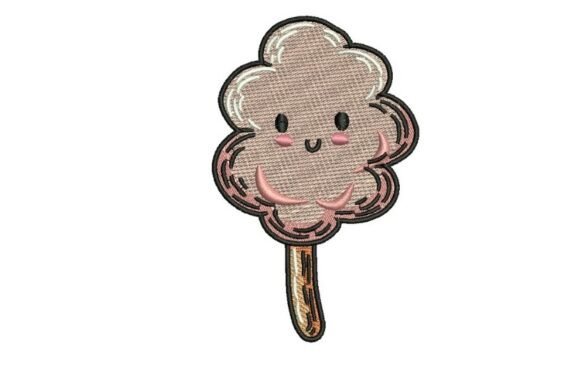
Smiling Pink Cotton Candy Embroidery
In the world of small business branding, visual consistency is everything. As an experienced embroidery designer who has digitized thousands of files and seen countless designs go from screen to stitch, I look for more than just aesthetic appeal. I look for scalability, clarity, and brand alignment. Today, I am reviewing the Smiling Pink Cotton Candy Embroidery design. This file features an adorable depiction of a happy pink cotton candy treat on a stick with a smiling face and soft pastel tones. While it may seem like a simple, playful graphic, its potential as a strategic asset for small business merch, branded patches, and custom apparel is significant.
First Impressions: Playful Yet Professional
When you first load this embroidery file into your digitizing software, the immediate takeaway is its warmth. The thread colors chosen—soft pinks and likely complementary whites or light blues—create a gentle, inviting atmosphere. For brands in the dessert, bakery, florist, or handmade product sectors, this design immediately communicates friendliness and approachability. It does not feel corporate or rigid; instead, it feels like a handmade product that cares about the customer experience.
The smiling face adds character without being overly complex. In my experience, facial features can be tricky in machine embroidery if they are too small, but the description suggests a balanced composition. The "cotton candy" texture implies a fluffy, cloud-like shape, which translates well to satin stitches or dense fill stitches depending on the digitization style. This design strikes a balance between being decorative enough to catch the eye and clean enough to remain legible at various sizes.
Real-World Business Applications
The true test of any digital embroidery file is how it performs on actual merchandise. Here is how the Smiling Pink Cotton Candy Embroidery fits into common small business use cases:
- Embroidered Patches: This design is ideal for creating sew-on or iron-on patches. A circular patch featuring this treat works beautifully as a logo accent on denim jackets, backpacks, or tote bags. It serves as a subtle brand marker that customers often want to display proudly.
- Apron Embroidery: For bakeries, cafes, or craft studios, aprons are uniform staples. Placing this design on the chest pocket or upper left chest adds a touch of personality to staff uniforms. It humanizes the brand and makes employees feel part of a creative team.
- Cap Embroidery: The curved surface of a baseball cap or dad hat provides a unique canvas. Because the design is relatively compact (a treat on a stick), it fits perfectly within the standard hoop size limits of most caps. It works well as a side logo or a centered front emblem.
- Tote Bag Design: Canvas totes are a staple for Etsy sellers and boutique owners. This design adds a pop of color against neutral fabrics like beige, white, or black canvas. It transforms a basic bag into a branded shopping companion.
- Product Packaging Accents: Beyond apparel, consider using this design on fabric tags attached to jewelry boxes, candle jars, or soap bars. It reinforces the brand identity through tactile experiences.
Strategic Brand Identity and Customer Trust
Using the Smiling Pink Cotton Candy Embroidery is not just about decoration; it is about communication. When a customer sees this design on a high-quality embroidered item, it signals attention to detail. Embroidery inherently carries a perception of premium quality compared to printed graphics. By choosing a design that is cheerful and distinct, you enhance customer trust and recognition. It suggests that your brand values joy, sweetness, and care—attributes that resonate deeply in the dessert and lifestyle niches.
Furthermore, visual consistency across different products—such as matching the embroidery on a tote bag with the logo on a cap—creates a cohesive brand identity. This professionalism elevates the perceived value of your finished product, allowing you to command higher prices and build a loyal following.
Where to Use It Carefully: Potential Pitfalls
Even the best design assets have limitations. As a designer, I must advise caution in specific scenarios to ensure the integrity of the stitch work:
- Small Patch Sizes: If you plan to produce very small patches (under 2 inches), ensure the digitizer has simplified the details appropriately. Tiny smiles and thin outlines can merge together, losing their definition.
- High Stitch Density: Cotton candy textures can sometimes lead to high stitch counts. If the density is too high, the fabric may pucker, especially on lightweight materials. Always check the underlay and fill settings.
- Curved Surfaces: While caps are great, highly curved items like helmets or rounded bottles require specialized digitization to prevent distortion.
- Dark Uniforms: Pastel pinks can get lost on dark fabrics unless a heavy backing or contrasting border is used. Test contrast levels carefully.
- Frequent Washing: For items like aprons or work shirts that undergo frequent laundering, ensure the stabilizer is removed properly and the threads are colorfast to prevent fading or fraying.
Practical Designer Notes for Production
Before committing to a large production run, follow these essential steps to guarantee success:
- Test in Black and White: Convert the design to monochrome to check the contrast and spacing. If it looks muddy in black and white, it will likely struggle in color.
- Check Hoop Size: Confirm that the design dimensions fit comfortably within your machine’s hoop size, leaving adequate margin for hooping stability.
- Inspect Thread Color Contrast: Ensure the chosen thread colors provide sufficient contrast against your target fabric. Soft pastels on light backgrounds may lack visibility.
- Test on Real Fabric: Never assume digital previews match reality. Stitch out a sample on the exact fabric type (e.g., cotton twill, polyester blend) you plan to use.
- Use Proper Stabilizer: The choice of cut-away or tear-away stabilizer depends on the fabric weight. Incorrect stabilization is the number one cause of puckering.
- Create a Printable Mockup: Before producing physical goods, create a printable mockup to visualize the design on your final product. Share this with clients or stakeholders for approval.
- Compare Beside Other Assets: Place the design next to your primary logo. Does it complement it, or does it compete for attention? It should support, not overshadow, your main brand mark.
- Confirm Commercial Licensing: Most importantly, verify that you have the correct commercial license to use this machine embroidery design for resale items. Unauthorized use can lead to serious legal issues.
Final Verdict
The Smiling Pink Cotton Candy Embroidery is a versatile, charming addition to any small business’s arsenal of design assets. It excels in contexts where warmth, creativity, and approachability are key selling points. Whether used for custom apparel, tote bag design, or branded giveaways, it delivers a professional yet playful finish. By paying attention to technical details like stitch density and fabric compatibility, you can leverage this design to boost engagement and strengthen your brand’s visual presence.