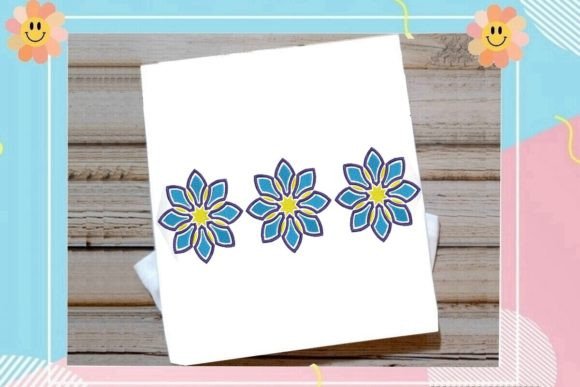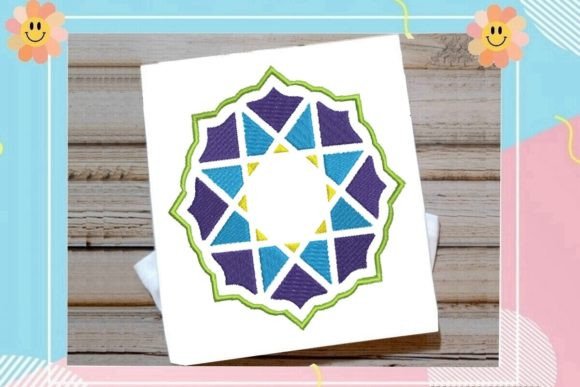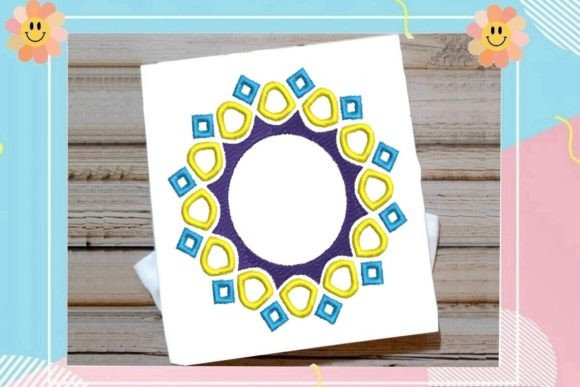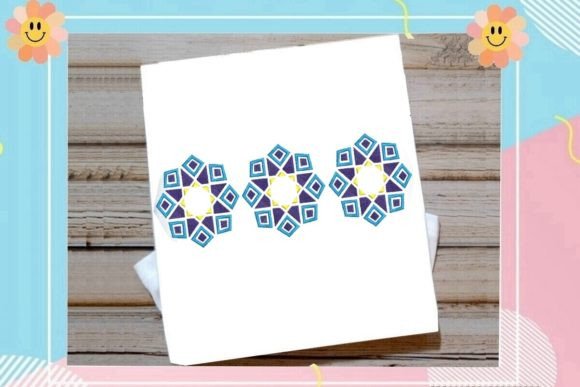
Moroccan Geometric Embroidery Delight 7 Review
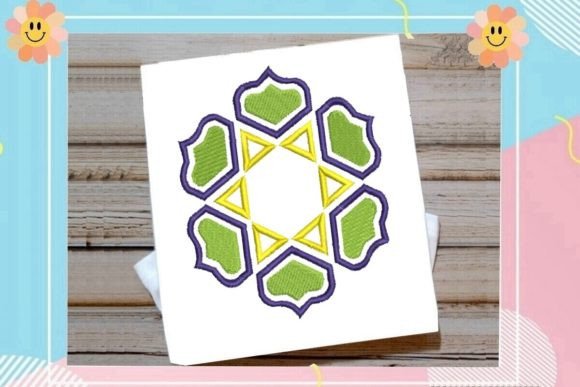
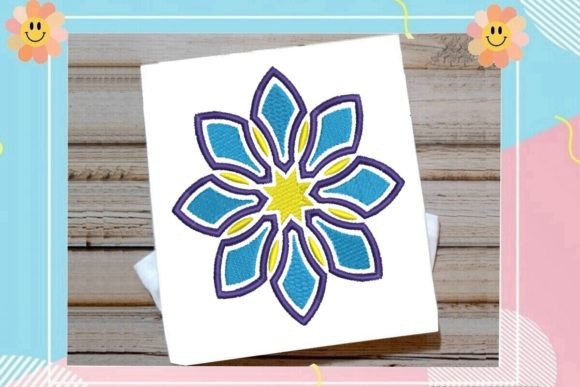
As an embroidery designer who has spent years translating visual concepts into stitch files, I look at every new digital embroidery file with a critical eye. It is not just about whether the design looks pretty on a screen; it is about how it performs on fabric, how it holds up to wear and washing, and whether it adds tangible value to a small business brand. Today, I am reviewing Moroccan Geometric Embroidery Delight 7, a piece from the Intricate Cuts category that draws direct inspiration from Zellige, the intricate mosaic tilework famous in Moroccan art.
This review focuses specifically on commercial application. If you are an Etsy seller, a boutique owner, or an apparel decorator looking for assets to elevate your merchandise, this analysis will help you decide if this design fits your production workflow and brand identity.
First Impressions: The Visual Personality of the Design
When I first loaded the preview of Moroccan Geometric Embroidery Delight 7, the immediate takeaway was its sophisticated yet approachable aesthetic. Zellige patterns are defined by their mathematical precision and repetitive geometric shapes. In embroidery form, this translates to a design that feels structured, intentional, and premium. Unlike free-form floral designs that can sometimes feel soft or fleeting, geometric motifs convey stability and timelessness.
The "Delight" aspect of the title suggests a playful energy, which is crucial for modern branding. A purely rigid geometric pattern can feel cold or corporate, but this design appears to balance complexity with visual breathing room. For a handmade product or a boutique item, this balance is essential. It signals quality without being intimidating. Whether you are designing for a local café, a creative studio, or a pet brand, the visual language of Moroccan Geometric Embroidery Delight 7 is versatile enough to bridge the gap between rustic charm and modern elegance.
Real-World Business Applications
The true test of any machine embroidery design is its versatility across different product types. Here is how I see Moroccan Geometric Embroidery Delight 7 performing in real business scenarios:
- Embroidered Patches: This is perhaps the strongest use case. The self-contained nature of geometric patterns makes them ideal for patches. They hold their shape well and provide a distinct visual marker for staff uniforms or customer goods. A patch featuring this design can instantly elevate a plain tote bag or a denim jacket, turning it into a branded asset.
- Chest Logos and Sleeve Accents: For custom apparel, this design works beautifully as a secondary logo placement. Instead of a large chest logo, placing a smaller iteration of this geometric motif on the sleeve cuff or the back collar adds a subtle touch of professionalism. It shows attention to detail, which customers notice even if they cannot articulate why.
- Apron Embroidery: For bakeries, florists, or craft businesses, aprons are daily marketing tools. The geometric lines of Zellige-inspired art contrast nicely with organic textures like flour dust or plant leaves. It creates a visually interesting backdrop that doesn’t compete with the products being sold.
- Cap Embroidery: Caps are a staple of merch. However, complex designs often fail here due to curvature. If Moroccan Geometric Embroidery Delight 7 scales down cleanly, it could work as a front-center accent or a side-panel detail, adding a unique flair to standard baseball caps or beanies.
- Tote Bag Design: Tote bags are essentially walking billboards. A well-executed embroidered patch or direct-to-garment style embroidery of this design on a canvas tote increases the perceived value of the bag, making it more likely to be used and seen in public.
Brand Identity and Customer Trust
In the world of small business merch, consistency is key. Using a design like Moroccan Geometric Embroidery Delight 7 helps establish a cohesive visual identity. When customers see the same geometric theme repeated across your tags, packaging accents, and main merchandise, it reinforces brand recognition. It tells the buyer that you care about aesthetics and quality. This level of polish builds trust. A customer is more likely to return to a brand that presents itself with such deliberate care than one that uses generic or poorly executed graphics.
Where to Use Caution: Potential Pitfalls
Even the best digital embroidery file requires strategic planning. There are specific scenarios where Moroccan Geometric Embroidery Delight 7 might struggle:
- Small Patch Sizes: Intricate cuts mean fine details. If you attempt to digitize this for a patch smaller than two inches, the tiny geometric intersections may merge together, losing definition. Always inspect spacing carefully before committing to mass production.
- Curved Surfaces: While great for flat items like aprons or tote bags, applying this design to highly curved surfaces like the front of a cap can distort the geometry. Ensure your hoop size and stabilizer choice account for the tension required to keep the lines straight.
- Dark Uniforms and High Stitch Density: If your target fabric is dark, you will need a heavy underlay or high thread count to prevent show-through. Conversely, if the design has too much density, it can become stiff and uncomfortable against the skin. Test on the actual fabric texture you plan to use.
- Frequent Washing: For items like work shirts or cafe aprons that undergo industrial laundering, ensure the thread colors are colorfast. Geometric designs rely on clear lines; if the threads bleed or fade quickly, the professional look is lost immediately.
Practical Designer Notes for Production
Before you start running orders for Moroccan Geometric Embroidery Delight 7, follow these professional steps to ensure success:
- Test in Black and White: First, run a test stitch-out using only black thread. This allows you to evaluate the composition, spacing, and balance of the geometric shapes without the distraction of color. If it doesn’t work in monochrome, it won’t work in full color.
- Check Thread Color Contrast: Once satisfied with the structure, experiment with thread colors. Zellige patterns often benefit from high contrast (e.g., white on navy, or gold on black) to make the geometry pop. Low-contrast combinations might get lost in the fabric weave.
- Confirm Hoop Size and Stabilizer: Verify the recommended hoop size for the design. More importantly, choose the correct stabilizer. For woven fabrics like cotton canvas, a cut-away stabilizer is usually best to prevent puckering over time. For knits, a tear-away might suffice for lighter applications.
- Create a Printable Mockup: Before buying inventory, create a printable mockup. Show this to potential clients or your team. Getting feedback on the scale and placement early saves money and prevents regrettable production runs.
- Verify Commercial Licensing: As a business owner, you must confirm that your digital embroidery file purchase includes commercial licensing rights. Using a design for resale without proper permission can lead to legal issues. Check the terms associated with Moroccan Geometric Embroidery Delight 7 to ensure you are covered for unlimited sales.
Final Verdict
Moroccan Geometric Embroidery Delight 7 is a strong candidate for small business owners looking to add a touch of artisanal quality to their product line. Its roots in Zellige art provide a timeless appeal that transcends fleeting trends. By understanding its strengths in patch work and uniform branding, while remaining cautious about size limitations and fabric choices, you can leverage this design to enhance your brand identity and drive customer engagement.
Remember, the difference between a good product and a great one often lies in the details. With careful testing and strategic application, this embroidery design can become a signature element of your handmade products, helping you stand out in a crowded marketplace.