Leaf Embroidery Designs Review
As an experienced embroidery designer who spends weekends navigating the chaos of craft fairs and handmade markets, I know that the difference between a design that sits on a shelf and one that flies off the table often comes down to visual impact and practical production. Recently, I evaluated the Leaf Embroidery Designs collection with a specific focus on its potential for commercial use. This review is not just about aesthetic appreciation; it is a strategic breakdown of how this machine embroidery design performs when translated into tangible goods for customers.
First Impressions and Visual Appeal
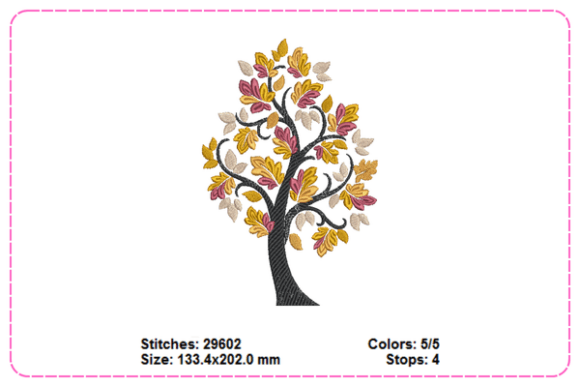
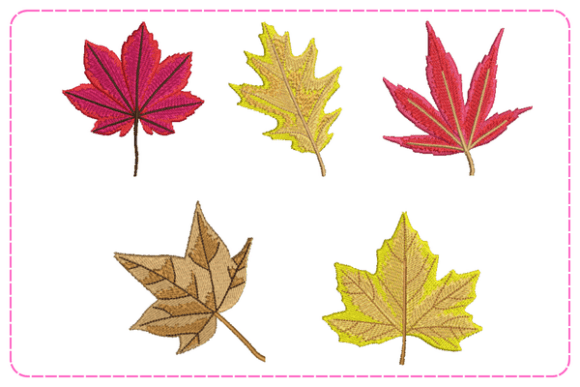
When you first load the embroidery file, the immediate impression of Leaf Embroidery Designs is one of organic elegance. It avoids the overly rigid or geometric look that can feel cold in a home setting. Instead, it leans into a rustic yet modern vibe, making it incredibly versatile. For a craft fair booth, where you have only seconds to grab a passerby’s attention, this design strikes the right balance. It feels premium without being intimidatingly complex.
The "Forest" category classification suggests a natural theme, which is currently trending heavily in the handmade sector. Customers are drawn to items that bring a touch of nature indoors. The leaf motif is inherently recognizable and universally liked, reducing the risk of a design feeling too niche or polarizing. Whether you aim for a farmhouse aesthetic or a clean, contemporary boutique look, these designs adapt well. They are decorative enough to serve as a focal point but subtle enough to remain tasteful on everyday items.
Product Application and Market Fit
To determine the true value of this digital embroidery file, we must look at how it translates across various high-demand products. In my experience, versatility is king for small business owners. Here is how Leaf Embroidery Designs performs on key craft fair staples:
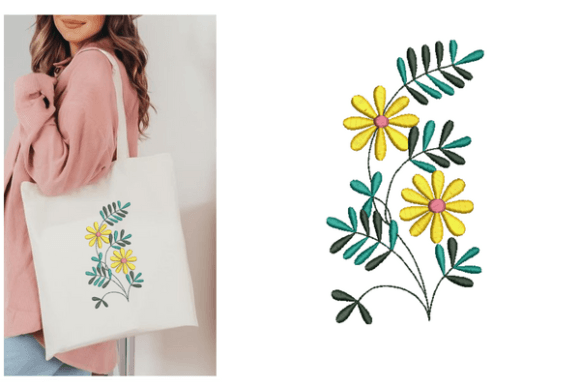
- Tote Bags and Market Bags: A tote bag design needs to be bold enough to be seen from a distance. The leaf pattern works beautifully here, especially when placed centrally or repeated along the side seams. It elevates a plain canvas bag into a stylish accessory, perfect for the eco-conscious shopper.
- Aprons and Tea Towels: Kitchen textiles are impulse-buy favorites. For apron embroidery, the design adds a splash of color and personality without overwhelming the garment. On tea towels, it serves as a charming accent. The natural theme fits seamlessly into kitchen decor, making it a strong candidate for gift sets.
- Pillows and Home Decor: Pillow covers allow for larger displays of the design. This is where you can showcase the full beauty of the thread colors. These items tend to have higher price points, and the perceived quality of the embroidery directly influences buyer confidence.
- Caps and Patches: Curved surfaces like caps present a challenge. You must ensure the design scales correctly to fit the curve without distortion. Small embroidered patches featuring this motif are excellent low-cost entry points for new customers.
For Etsy sellers and online boutiques, these designs also translate well into digital assets. Creating printable mockups of Leaf Embroidery Designs on various backgrounds can help you test market interest before committing to physical inventory.
Production Practicality and Batch Efficiency
From a production standpoint, efficiency is crucial for profitability. A design that takes forty minutes to stitch out will kill your margins if you are selling items at competitive craft fair prices. While exact stitch counts vary by format, designs in this style typically offer a good balance of detail and speed. They are detailed enough to look expensive but structured enough to stitch relatively quickly.
Repeatability is another factor. Can you produce twenty identical pillow covers in an afternoon? Yes, provided you have a multi-head machine or efficient workflow. The consistency of the leaf pattern allows for easy hooping and stitching, reducing setup time between units. This makes it an ideal choice for commercial embroidery projects where volume matters.
Photography is also easier with this design. The natural shapes and likely vibrant thread colors photograph well under standard lighting conditions, which is essential for maintaining a professional brand image on social media and listing pages.
Careful-Use Notes and Technical Considerations
Even the best designs require careful execution. As a designer, I advise checking several technical aspects before mass production:
- Stitch Density: Inspect the stitch density closely. If the design is too dense on lightweight fabrics, it may pucker. Conversely, if it is too sparse on textured towels, it may lose definition. Always test on your actual product fabric.
- Fabric Texture: Items like waffle-weave tea towels or heavy denim can obscure fine details. Ensure the leaf veins and edges are clear enough to survive the texture of the material.
- Thread Contrast: The success of this design relies heavily on thread choice. Dark leaves on dark fabric will disappear, while neon threads might clash with the natural theme. Choose thread colors that complement the fabric, such as sage green on cream, or burgundy on navy.
- Hoop Size and Placement: Confirm the hoop size required. Some designs may need resizing to fit smaller hoops for hats or cuffs. Be mindful of the placement area to avoid awkward distortions near seams or handles.
- Stabilizer Selection: Use the appropriate stabilizer for each fabric type. Cut-away stabilizers are generally safer for stretchy materials like tote bags to prevent warping over time.
Strategic Selling Points
When marketing Leaf Embroidery Designs at a booth or online, focus on the handmade quality and the natural aesthetic. Emphasize that each item is carefully stitched, adding value beyond mass-produced alternatives. Use phrases like "handcrafted home decor" or "artisan-made accessories."
This design appeals to a broad demographic, from young renters looking for affordable decor to older shoppers seeking traditional craftsmanship. By offering it on multiple product types, you cater to different budget levels. A small embroidered patch might sell for $5, while a fully embroidered apron could command $30 or more.
Finally, always verify the licensing terms. Ensure you have the right to sell finished products made from this design asset. Commercial licenses vary, and adhering to them protects your business reputation.
Final Verdict
Leaf Embroidery Designs is a strong contender for any small shop product line. It offers the visual appeal needed to attract customers and the practical flexibility required for efficient production. Whether you are preparing for a busy weekend market or updating your Etsy seller inventory, this design provides a reliable foundation for creating beautiful, sellable handmade products. Just remember to test thoroughly, choose your threads wisely, and let the natural beauty of the design speak for itself.