Kangaroo Embroidery Design Review
As a designer who spends more time than I care to admit staring at stitch density charts and testing thread tension, I approach every new embroidery file with a healthy dose of skepticism. We have all been there: you download a trendy design, pop it into the hoop, and pray the result matches the digital preview. Today, I am putting the Kangaroo Embroidery Design through its paces. This piece falls under the Woodland Animals category, but unlike many generic nature motifs that feel cluttered or overly complex, this design offers a specific narrative potential that is rare in the current market.
I evaluated this machine embroidery design not just as a static image, but as a functional asset for real-world production. Whether you are an Etsy seller looking to expand your catalog or a small business owner preparing for a craft fair, understanding how a design translates from screen to fabric is critical. Here is my practical assessment of how the Kangaroo design performs when stitched out.
First Impressions and Visual Personality
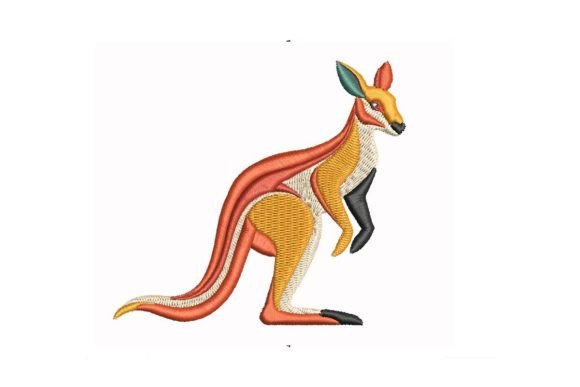
The immediate mood of the Kangaroo Embroidery Design is playful yet grounded. In a sea of woodland creatures that often lean heavily into cutesy aesthetics, this design strikes a balance that appeals to both children and adults. The silhouette is clean, which is the first indicator of a well-digitized file. For designers, clean lines mean fewer errors during stitching and a sharper final look on the finished product.
Visually, the layout feels natural for apparel and home goods. It does not scream for attention but rather invites a closer look. When I first reviewed the vector outline, I noted that the negative space is handled intelligently. This is crucial for custom apparel, where you want the design to breathe rather than compete with the garment’s existing graphics or textures. The personality here is versatile; it can work as a subtle accent on a pocket or as the centerpiece of a nursery-themed tote bag.
Real-World Application Scenarios
To truly judge an embroidery project, you have to imagine it in the hands of a customer. I ran through several scenarios where this design would shine, focusing on the tactile experience of the end user.
- Custom Sweatshirts and Hoodies: The kangaroo motif pairs effortlessly with casual wear. Imagine a cream-colored sweatshirt with this design centered on the chest. The sweatshirt embroidery context demands a design that holds up against thicker fabrics. Because the Kangaroo design avoids excessive micro-details, it stitches cleanly on fleece and cotton blends, maintaining its shape without pilling the fabric underneath.
- Baby and Nursery Items: This is perhaps the strongest use case. As a baby embroidery theme, it fits perfectly on muslin blankets, burp cloths, and onesies. Parents often look for items that are gender-neutral and soft in tone. The woodland animal trend remains evergreen, and this specific design offers a modern twist that stands out in a crowded Etsy listing.
- Kitchen and Home Decor: Do not overlook the utility aspect. This design works beautifully as an applique design on kitchen towels or aprons. The sturdy nature of the kangaroo shape makes it ideal for high-use items. If you are selling handmade products for the home, adding this to tea towels creates a cohesive "farmhouse" or "nature-inspired" collection.
- Accessories and Patches: For the craft business owner, this design is perfect for creating embroidered patches. These can be sold as standalone accessories or used to personalize denim jackets and backpacks. The clean edges make it easy to apply a backing, turning a simple digitization into a wearable art piece.
Technical Performance and Stitch Clarity
From a technical standpoint, the execution of the Kangaroo Embroidery Design relies on a smart mix of stitch types. A successful design usually employs satin stitch for outlines to give definition, while using fill stitch for larger body areas to ensure coverage without bulk. In this case, the transition between these stitches appears smooth, reducing the risk of thread breaks or puckering.
The stitch density is moderate, which is a significant advantage. High-density designs can feel stiff and uncomfortable, especially on baby clothes or delicate fabrics. This design maintains a comfortable hand-feel, meaning the finished product will be pleasant to touch—a key factor in customer satisfaction and repeat purchases. The use of running stitch for finer details, such as facial features or texture hints, adds character without compromising structural integrity.
However, the effectiveness of these stitches depends heavily on your choice of thread colors. A light pastel thread on a dark background might lose some of the subtlety intended by the designer. Conversely, using high-contrast threads can make the design pop, but may lose the organic woodland vibe. Testing different colorways is essential before mass production.
Where to Use Caution
No design is universally perfect, and there are specific contexts where the Kangaroo Embroidery Design requires careful handling. As an experienced reviewer, I must highlight these limitations to save you from costly mistakes.
- Fabric Texture and Stability: While this design works well on stable knits and wovens, be cautious with highly textured fabrics like heavy bouclé or very thin, sheer materials. On thin fabrics, the weight of the embroidery might cause distortion unless a proper stabilizer is used. Always test on scrap fabric first to determine the right stabilizer type—cut-away for stretchy garments, tear-away for woven home decor.
- Small Hoop Limitations: Although tailored for a standard 4×4 hoop, attempting to scale this down significantly may result in lost detail. Tiny lettering or fine accents might merge together if the design is reduced too much. Stick to the recommended dimensions to preserve the visual appeal.
- Curved Surfaces: Applying this to curved surfaces like baseball caps or fitted hats requires skill. While the flat lay looks great, transferring it to a curved surface can distort the proportions. If you are producing caps, consider digitizing a smaller version specifically adapted for cap hoops.
- Dense Stitch Areas: Avoid placing this design over seams, pockets, or zippers. The additional thickness from the embroidery combined with existing garment layers can create discomfort or machine errors.
Impact on Product Value and Brand Consistency
In the world of commercial embroidery, presentation is everything. A well-executed design like the Kangaroo motif elevates the perceived value of your finished product. Customers associate clean stitching with quality craftsmanship. When you sell a personalized gift, you are not just selling a kangaroo; you are selling the assurance that the item is durable, aesthetically pleasing, and professionally made.
This design supports brand consistency across various platforms. Whether you are showcasing it in a printable mockup for social media or displaying it in a physical boutique, the clean lines translate well digitally. This makes it easier to create compelling design assets for marketing. Buyers engage more with products that look polished, and this design provides that polish out of the box.
Final Verdict for Designers and Sellers
The Kangaroo Embroidery Design is a solid addition to any library focused on Woodland Animals. It is versatile enough for personal gifts and robust enough for commercial embroidery projects. Its strength lies in its simplicity and adaptability, making it a low-risk, high-reward asset for makers.
Before incorporating this into your workflow, remember to check the specific licensing terms if you plan to sell finished items. Confirm the hoop size compatibility with your machines and always perform a test run. By paying attention to fabric texture, thread colors, and stabilization, you can ensure that the final output matches the promise of the digital preview. For those looking to add a touch of nature-inspired charm to their handmade product line, this design delivers both style and substance.