Harmony in Threads Vegan Embroidery
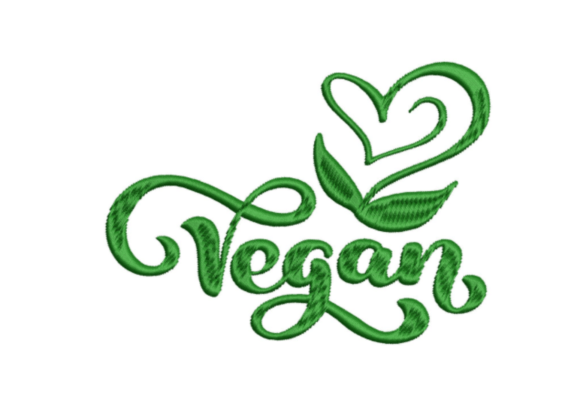
As an embroidery designer, I am constantly scanning for designs that capture the current cultural mood while remaining versatile enough for commercial use. With the holiday season approaching, my focus has shifted toward items that convey warmth, mindfulness, and gentle living. That is exactly why Harmony in Threads Vegan Embroidery caught my eye on Creative Fabrica. This isn't just another generic leaf pattern; it is a curated digital embroidery file that speaks to the growing market of conscious consumers who value sustainability and peace.
I recently evaluated this design with the intention of adding it to my upcoming seasonal collection. My goal was to determine if it could serve as a strong anchor for a line of handmade gifts, apparel, and home decor items. After testing various applications and considering the target audience, here is my honest review of how Harmony in Threads Vegan Delight performs in real-world selling scenarios.
First Impressions: Mood and Aesthetic
The moment you open the file, the aesthetic is immediately clear. The design is serene, elegant, and undeniably cozy. It features delicate motifs of leafy greens and organic shapes that evoke a sense of calm. For holiday shoppers, this translates to a product that feels less like "stuff" and more like a mindful gift. The style bridges the gap between rustic charm and modern minimalism, making it appealing to a wide demographic.
Emotionally, the design hits the right notes for the winter holidays. While many holiday designs rely heavily on reds, greens, and glitter, this piece offers a quieter sophistication. It suggests a slow-living lifestyle, which resonates deeply with buyers looking for meaningful presents for family members who appreciate nature and ethical living. The decorative style is clean enough to look premium on high-end sweatshirts but cute enough to work on baby onesies or kitchen towels.
Seasonal Product Applications
One of the strongest aspects of Harmony in Threads Vegan Embroidery is its versatility across different product categories. When building a shop collection, having a design that can be adapted to multiple items saves time and increases profit potential. Here is how I see this design performing in key holiday categories:
- Sweatshirt Embroidery: This is perhaps the most lucrative application. Placing the design on the chest or back of a neutral-colored sweatshirt creates an instant bestseller. The organic lines contrast beautifully with the soft texture of fleece or cotton blends, creating a tactile experience for the wearer.
- Tote Bag Design: Eco-friendly tote bags are a staple for the conscious consumer. Using this design on a canvas tote reinforces the vegan and sustainable message visually. It serves as a walking advertisement for the brand values, making it perfect for craft fair displays and Etsy listings.
- Kitchen Towel Embroidery: Small, affordable gifts are huge during the holidays. This design fits perfectly on standard flour sack towels. It adds a touch of elegance to the kitchen without being overly festive, allowing the item to be used year-round, which increases perceived value.
- Pillow Cover and Home Decor: For larger gift bundles, incorporating this motif into throw pillow covers creates a cohesive living room set. The design’s balance allows it to stand out as a focal point without overwhelming the space.
- Embroidered Patch and Apparel Accents: You can also digitize this concept into a patch for denim jackets or aprons. This appeals to the DIY crowd who love personalizing their existing wardrobe.
Giftability and Market Appeal
In the context of holiday shopping, "giftability" is paramount. Buyers are looking for items that feel thoughtful. Harmony in Threads Vegan Embroidery achieves this by tapping into the trend of personalized gifts. Whether it is a matching set for a mother and daughter or a custom order for a friend starting a plant-based journey, the design communicates care. It builds customer trust because it aligns with their personal identity. When a buyer sees this design, they see themselves reflected in the product, which drives engagement and conversion rates.
Practical Designer Notes for Execution
While the design is beautiful, successful commercial production requires technical precision. As a professional, I cannot stress enough the importance of preparation before hitting "start" on your machine. Here are critical steps to ensure your finished product meets high standards:
- Thread Colors and Fabric Texture: Test thread colors on both light and dark fabrics. On dark fabric, you may need an underlay stitch or a specific backing to prevent the design from sinking into the material. On light fabrics, choose threads that complement the natural vibe—think sage greens, creams, and soft browns rather than harsh neons.
- Hoop Size and Stitch Density: Always confirm the recommended hoop size. If the design is large, ensure your machine can handle the dimensions without frequent re-hooping. Check the stitch density carefully; if the leaves are too dense, the fabric may pucker, especially on thin materials like t-shirts. Conversely, if it is too sparse, it may lack visual impact on bulky items like sweatshirts.
- Stabilizer Selection: Use the proper stabilizer for each fabric type. Cut-away stabilizers are generally best for garments that will be washed frequently, such as sweatshirts and tote bags. Tear-away might suffice for one-time use items like ornaments, but cut-away ensures longevity.
- Small Details and Lettering: Review small details after stitching. If the design includes text, ensure it remains legible. Tiny lettering often gets lost in the texture of knit fabrics. If readability is compromised, consider scaling the design up slightly.
- Realistic Mockups: Create realistic mockups for your Etsy listings or social media previews. Show the design on actual products, not just flat screens. Visual recognition is key; customers need to see how the embroidery interacts with the fabric drape and texture.
Areas Caution Is Required
No design is perfect for every scenario. There are specific situations where Harmony in Threads Vegan Embroidery might face challenges:
- Stretchy Garments: Be cautious when embroidering on highly stretchy materials like spandex blends. The tension required for this design might cause distortion if not stabilized correctly.
- Curved Caps: While possible, applying this design to curved caps requires a specialized hoop and careful digitizing adjustments to prevent warping.
- Metallic Thread: Avoid using metallic thread unless you have advanced machine skills. Metallic threads can break easily and may not hold the fine details of the leafy motifs well.
- Thick Towels: On very thick terrycloth towels, the needle may struggle to penetrate fully, leading to skipped stitches. Pre-testing is essential here.
Licensing and Final Thoughts
Before you begin mass-producing items, it is vital to check the Creative Fabrica product details and licensing terms. Understanding what you are allowed to do with the digital embroidery file protects your business. Typically, these licenses allow for the sale of physical handmade goods, but restrictions on digital resale or unlimited print runs may apply.
Ultimately, Harmony in Threads Vegan Embroidery is a strong addition to any seasonal collection. It offers a sophisticated, emotionally resonant aesthetic that stands out in a crowded marketplace. By paying attention to technical details like stitch density, stabilizer choice, and thread selection, you can transform this design into high-value commercial embroidery products. Whether you are an Etsy seller looking to boost your holiday revenue or a crafter wanting to make meaningful personalized gifts, this design provides the perfect foundation for success. It captures the essence of peaceful living in every stitch, making it a worthy investment for your creative business.