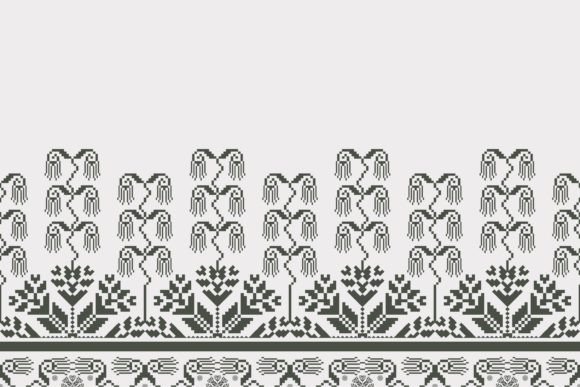
Ethnic Floral Embroidery Border Pattern Review
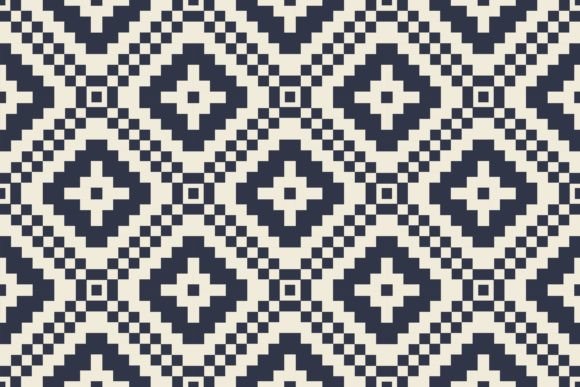
As an embroidery designer who spends hours digitizing and testing stitches for boutique collections, I am always on the lookout for designs that bridge the gap between traditional craftsmanship and modern streetwear aesthetics. Recently, I came across a design titled Ethnic Floral Embroidery Border Pattern on Creative Fabrica. At first glance, it is described as a monochrome gray ethnic floral embroidery pattern with vector abstract geometric elements. While the description lists uses like tablecloths and wallpaper, my immediate thought was: this has serious potential for apparel.
In this review, I will break down how this machine embroidery design might perform when applied to sweatshirts, hoodies, and other custom apparel items. Whether you are an Etsy seller, a small shop owner, or a creative entrepreneur looking to expand your commercial embroidery offerings, understanding the visual weight and placement options of a border pattern is crucial for creating high-quality finished products.
First Impressions: Visual Mood and Design Personality
The Ethnic Floral Embroidery Border Pattern strikes me as versatile yet distinct. The use of a monochrome gray palette gives it a sophisticated, understated elegance that works well in contemporary fashion. Unlike bright, colorful floral motifs that can feel overly casual or childish, this grayscale approach feels premium and timeless. The geometric abstraction adds a modern twist, preventing the ethnic motifs from feeling too rustic or old-fashioned.
For a boutique brand, this kind of embroidery file offers a unique selling point. It is not just a flower; it is a structured, decorative element that implies quality. When you look at the seamless nature of the pattern, you can imagine it wrapping around the hem of a hoodie or running down the side seam of a jacket. The "vector abstract" aspect suggests clean lines, which is excellent for machine embroidery because it reduces the risk of thread breaks and ensures crisp definition in the final stitch-out.
Applying the Design to Sweatshirt and Hoodie Collections
Sweatshirt embroidery is one of the most popular categories in handmade apparel right now. However, finding a design that stands out without overwhelming the garment can be challenging. Here is how I see the Ethnic Floral Embroidery Border Pattern performing on various garment types:
- Hoodie Chest Placement: While border patterns are typically used along edges, cropping or scaling this design could work beautifully as a chest graphic. Placing a single floral motif from the border on the left chest area creates a subtle, branded look. It feels less like a logo and more like a piece of art, which resonates well with younger demographics.
- Sleeve Accents: One of the strongest applications for this design is sleeve detailing. Running the border pattern vertically down the outer seam of a long-sleeve sweatshirt adds a touch of luxury. It draws the eye and elongates the silhouette. This is particularly effective on neutral-colored hoodies where the gray embroidery provides a tonal contrast that looks expensive.
- Back Designs: For oversized garments, a back panel design is often the focal point. Using the seamless aspect of the pattern, you could create a large, all-over border effect on the lower back. This works exceptionally well for cozy seasonal outfits, adding texture and visual interest to what might otherwise be a plain canvas.
- T-Shirt Embroidery: On lighter cotton t-shirts, the monochrome gray may offer a softer contrast compared to black thread. It creates a vintage, washed-out aesthetic that fits perfectly with current trends in minimalist streetwear.
Expanding Beyond Apparel: Tote Bags and Lifestyle Products
While my focus is often on clothing, this Patterns category item also shines in lifestyle accessories. A tote bag design featuring this border along the bottom edge or handle straps elevates the product from a simple canvas bag to a fashion accessory. The geometric elements hold up well on the stiffer fabric of tote bags, ensuring the shape remains defined even after multiple uses. This versatility allows you to cross-promote products; if a customer buys a hoodie with the sleeve accent, they might pair it with a matching tote bag.
Strategic Placement and Fabric Considerations
Using a border pattern requires careful planning to ensure the final product looks professional. As an experienced designer, I advise considering the following factors before committing to production:
- Small Chest Placement Risks: If you scale this design down for a small chest logo, ensure the geometric details do not become muddy. Dense stitch areas on small scales can sometimes lose their definition. Always test on scrap fabric first.
- Dense Stitch Areas: Ethnic floral patterns can sometimes be intricate. Check the stitch density to ensure the fabric underneath (especially fleece or knit materials) does not pucker. Puckering ruins the premium feel of a boutique brand.
- Stretchy Fabric and Ribbed Fabric: Embroidery on stretchy fabrics requires specific stabilizers. Because this is a border pattern, applying it to ribbed cuffs or collars requires precision. The tension must be balanced so the elastic recovery of the fabric isn’t compromised.
- Dark Garments: On dark garments, the monochrome gray thread provides a subtle, tonal look. This is trendy but can be hard to photograph. Ensure your lighting highlights the texture of the stitches so customers can appreciate the detail in online listings.
- Curved Surfaces: Avoid placing straight border segments on highly curved surfaces like the shoulder slope unless you plan to curve the digitization itself. Flat borders on curved seams can look misaligned.
Impact on Brand Identity and Buyer Trust
Investing in high-quality digital embroidery files directly impacts your brand identity. A well-executed Ethnic Floral Embroidery Border Pattern signals attention to detail. When a buyer sees precise stitching, clean edges, and thoughtful placement, their trust in the small shop product increases. It moves the perception of your goods from "mass-produced" to "handcrafted care."
Furthermore, using a cohesive design language across different products—such as matching the sleeve accent on a hoodie with the border on a tote bag—creates visual consistency. This reinforces product recognition and makes your social media graphics and printable mockups more compelling. Customers engage more with brands that have a distinct, recognizable aesthetic.
Practical Designer Notes for Production
Before you start printing your finished product tags or listing items on Etsy, keep these practical tips in mind:
- Test on Scrap Fabric: Never go straight to the final garment. Test the Embroidery File on a scrap piece of the same fabric type to check for puckering or thread tension issues.
- Check Stabilizer Choice: Use a cut-away stabilizer for knits and fleece to provide long-term support. For wovens, a tear-away might suffice, but wash tests are essential.
- Review Thread Color Contrast: Even though the pattern is monochrome gray, consider the sheen of the thread. Polyester threads often catch light better than rayon, which can enhance the geometric details.
- Confirm Hoop Size: Ensure your hoop size accommodates the full width of the border pattern if you intend to embroider it in one continuous run. You may need to re-digitize or split the design for larger hoops.
- Inspect Stitch Density: High-density areas can cause needle penetration issues on thick fabrics like denim jackets. Lower the density slightly if you find the needle struggling.
- Compare Placement Options: Lay the design on the actual garment before hooping. Mark the center and sides to ensure symmetry. Misalignment is the quickest way to downgrade a boutique item.
- Check Licensing: Always review the Creative Fabrica product details and licensing terms before selling finished apparel. Ensure you have the commercial rights to produce and sell items made with this Graphics asset.
The Ethnic Floral Embroidery Border Pattern is more than just a decorative element; it is a tool for building a cohesive, stylish brand. By understanding its strengths and limitations, you can create custom apparel that stands out in a crowded market. Whether you are designing for a cozy winter collection or a spring tote bag lineup, this design offers the flexibility and elegance needed to satisfy discerning customers.