England Embroidery Designs Review
As an embroidery designer who has spent years digitizing patterns for everything from high-end corporate uniforms to boutique Etsy goods, I approach every new design file with a mix of excitement and skepticism. When England Embroidery Designs landed in my inbox, I didn’t just see a decorative pattern; I saw potential merchandise. The description promises exquisite machine embroidery crafted for those who cherish fine details, and that is exactly where small business owners need to focus. In this review, I am breaking down how this digital embroidery file performs when moved from the screen to the hoop, specifically for branded patches, apparel, and commercial projects.
First Impressions: Visual Personality and Brand Fit
The title "England Embroidery Designs" immediately suggests a classic, perhaps rustic or heritage-inspired aesthetic. Based on the promise of intricate patterns and exceptional quality, the first impression is one of premium craftsmanship. For a small business owner—whether you run a local café, a handmade jewelry shop, or a creative studio—this visual personality can be a powerful asset. It feels elegant yet grounded, making it suitable for brands that want to convey trust, tradition, and attention to detail.
However, "intricate patterns" are a double-edged sword in the world of commercial embroidery. While they look stunning on a digital mockup, they require careful evaluation before production. Does the design feel bold enough to stand out on a cap front? Is it too delicate for a heavily textured fabric like canvas? For brand identity, this design leans toward sophisticated and refined. It works exceptionally well for businesses aiming for a polished, professional look rather than a playful or ultra-modern vibe. If your brand is about artisanal quality, this design aligns perfectly with that narrative.
Real-World Business Applications
The true test of any machine embroidery design is its versatility across different product types. Here is how I envision England Embroidery Designs performing in real-world scenarios for small business merch:
- Embroidered Patches: This is likely the strongest use case. Intricate designs translate beautifully onto iron-on or sew-on patches. These can be used as badges on denim jackets, backpacks, or even as unique product tags for handmade goods. A detailed patch adds perceived value to a simple tote bag or hoodie.
- Staff Uniforms and Aprons: For cafes, bakeries, or florists, a subtle but intricate logo on the chest pocket or apron bib signals professionalism. Unlike large, blocky logos, an intricate design suggests care and artistry, which resonates with customers who appreciate handmade aesthetics.
- Cap Embroidery: Caps are a staple of small business merch. However, intricate designs must be scaled correctly. If the pattern is too dense, it may lose definition on the curved surface of a cap. Used sparingly as a side accent or a small chest emblem, it can elevate a standard baseball cap into a premium branded item.
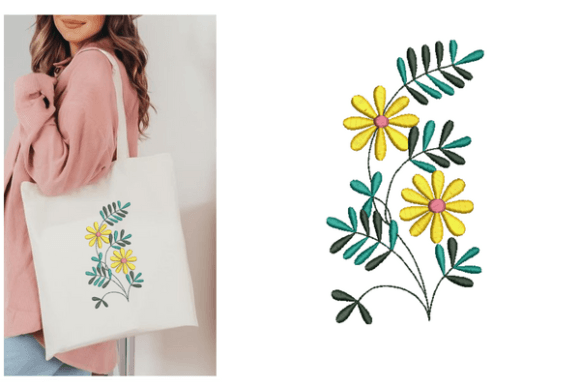
- Tote Bag Design: Canvas totes are ubiquitous, but a well-executed intricate embroidery design transforms them into keepsakes. The texture of the thread against the rough canvas creates a tactile experience that prints cannot match, enhancing customer trust and engagement.
- Product Packaging Accents: Consider using smaller elements of the design as labels on gift boxes or packaging inserts. This level of detail reinforces the idea that your business cares about every touchpoint of the customer experience.
Strategic Placement for Maximum Impact
To maximize the effectiveness of this design, placement is key. Avoid cluttering large areas with intricate patterns unless the garment is high-quality and stable. Instead, use the design as a focal point. On a work shirt, place it near the collar or cuff. On a tote bag design, center it or offset it slightly for a modern look. The goal is to let the thread colors and stitch work shine without overwhelming the product.
Where to Exercise Caution
Not every design suits every application. As a designer, I must highlight several areas where England Embroidery Designs might face challenges if not prepared correctly:
- Small Patch Sizes: If you plan to embroider this on a patch smaller than 2 inches, the intricate details may merge together, creating a muddy appearance. Always scale down your digital embroidery file in software before stitching to ensure legibility.
- High Stitch Density: Intricate patterns often mean high stitch counts. On thin fabrics, this can cause puckering. Ensure you are using the correct stabilizer (cut-away for stretchy or heavy items, tear-away for lightweight woven fabrics) to maintain a clean finish.
- Curved Surfaces: Embroidering on the front of a cap or a rounded bottle holder requires a specialized hoop. Flat surfaces are easier to manage. If the design has straight lines or geometric elements, curving them around a hat might distort the brand identity unintentionally.
- Tiny Lettering: If the design includes text, ensure the font size is large enough to be read from a distance. Small, intricate script can become illegible on busy fabrics or at a glance.
- Frequent Washing: For items like aprons or staff shirts that undergo industrial washing, intricate designs with many color changes may wear faster if not finished with proper backing. Test wash durability before committing to bulk orders.
Impact on Brand Identity and Customer Trust
In the crowded marketplace of handmade products and custom apparel, visual consistency is everything. Using a high-quality, intricate design like England Embroidery Designs signals to your customers that you invest in quality. It moves your brand away from generic, mass-produced perceptions and toward a more artisanal, trustworthy image.
When a customer sees a finely stitched logo on a tote bag or a neatly embroidered patch on a cap, they associate that precision with your product quality. This psychological link boosts product value and encourages repeat purchases. Furthermore, unique design assets help your brand stand out on social media platforms like Instagram or Pinterest, where visual appeal drives engagement. A well-executed embroidery project is inherently photogenic, providing free marketing through user-generated content.
Practical Designer Notes for Production
Before you send this design to production, follow these essential steps to avoid costly mistakes:
- Test in Black and White: Convert your design to black and white to check contrast and spacing. If it looks cluttered in monochrome, it will likely struggle in color.
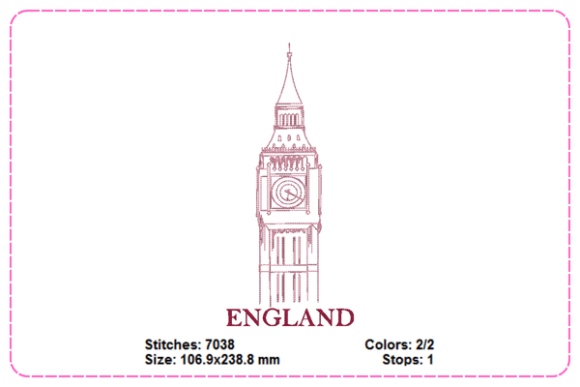
- Check Hoop Size: Confirm the hoop size required by the file. Ensure your embroidery machine can accommodate the dimensions without needing to re-hoop, which can misalign the design.
- Mockup for Approval: Create a realistic printable mockup showing the design on your actual product. Show this to clients or stakeholders before cutting fabric. Visualizing the final result helps catch scaling issues early.
- Thread Color Contrast: Select thread colors that pop against your fabric. Dark fabrics may require lighter threads, while light fabrics might need darker, richer tones. Test color combinations on scrap fabric first.
- Commercial Licensing: Most importantly, verify the licensing terms. Ensure you have the right to sell physical products made with this embroidery file. Some digital files are for personal use only.
- Inspect Spacing: Look closely at the digitization. Are there areas where stitches overlap excessively? Good digitizing ensures smooth transitions and minimizes thread breaks.
By treating England Embroidery Designs not just as a decoration but as a strategic business asset, you can create merchandise that truly represents your brand’s values. Whether you are launching a new line of custom apparel or updating your existing design assets, this intricate pattern offers a sophisticated way to connect with your audience. Remember, the difference between a good product and a great one often lies in the details—and in embroidery, those details are stitched in thread.