Artisanal Embroidery for Mother s Day
As an embroidery designer who has spent years translating emotions into thread, I approach every new embroidery file with a mix of creative excitement and practical skepticism. When I first unboxed the digital assets for Artisanal Embroidery for Mother s Day, I didn’t just see a pattern; I saw potential for connection. This design is not merely decorative; it is an invitation to create something deeply personal. For those of us running Etsy seller shops or small boutique brands, the question is never just "does it stitch well?" but "does it sell?" In this review, I will walk you through my testing process, analyzing how Artisanal Embroidery for Mother s Day performs as a finished product and whether it deserves a spot in your upcoming seasonal collections.
First Impressions: Mood and Emotional Appeal
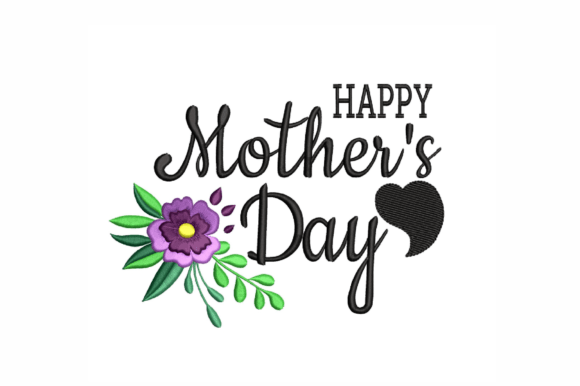
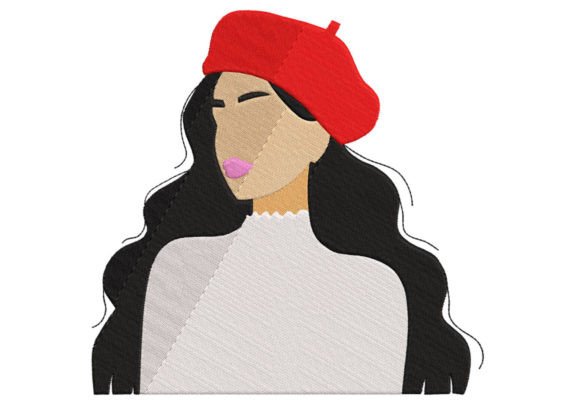
The immediate charm of Artisanal Embroidery for Mother s Day lies in its balance between classic elegance and modern warmth. It does not scream for attention with loud graphics; instead, it whispers tenderness. The design encapsulates the mother-child bond through intricate details that feel hand-crafted, even though they are machine-stitched. From a designer’s perspective, the mood is sweet yet sophisticated, making it versatile enough for various demographics.
When I laid out the thread colors on my worktable, I noticed a palette that suggests softness and care. This is crucial for personalized gift products. Customers today are looking for items that feel like heirlooms. This design delivers that aesthetic immediately. It feels handmade, romantic, and timeless. Whether you are targeting young mothers looking for nursery decor or adult children seeking a meaningful token for their moms, the emotional hook is strong. The design avoids being overly sentimental or cheesy, striking a perfect chord for a high-end handmade product.
Product Applications and Use Cases
One of the strongest selling points of Artisanal Embroidery for Mother s Day is its adaptability. During my planning phase, I imagined this design on several different substrates to see where it would shine. Here is how I envision it performing in real-world scenarios:
- Baby Blankets and Nursery Items: The gentle nature of the design makes it ideal for blanket embroidery. Placed on the corner of a muslin or cotton swaddle, it adds a touch of luxury without overwhelming the fabric. It also works beautifully on nursery wall hangings, creating a focal point that parents will cherish.
- Kitchen Towels and Aprons: For the mom who loves to cook, placing this on a high-quality linen embroidered towel or a canvas apron is a fantastic idea. The design’s structure holds up well against the utility of kitchen wear, offering a daily reminder of love while she prepares meals.
- Pillow Covers and Home Decor: A square pillow cover provides ample space for the design to breathe. This is a great entry-level product for small shop product sellers because pillows are easy to ship and have a high perceived value.
- Tote Bags and Custom Orders: For everyday use, a sturdy canvas tote bag allows the custom embroidery to stand out. This appeals to the practical shopper who wants functionality paired with sentiment.
- Wedding Keepsakes: While primarily for Mother’s Day, the timeless quality of this design makes it suitable for bridal showers or wedding gifts for the groom’s mother, expanding your market reach beyond a single holiday.
Technical Considerations and Fabric Compatibility
While the artistic vision is clear, the technical execution is where many projects fail. As an experienced designer, I must advise caution when applying Artisanal Embroidery for Mother s Day to certain materials. Not all fabrics are created equal, and the interaction between thread and cloth can make or break the final look.
There are specific areas where this design requires careful handling. First, avoid using it on thick, highly textured towels unless you are using a heavy-duty stabilizer and a sharp needle. The density of the pile can cause the stitches to sink, losing definition. Similarly, stretchy baby clothes require a cut-away stabilizer to prevent puckering, which can distort the delicate lines of the design.
Another critical factor is color contrast. If you plan to embroider on dark fabric, you must ensure there is enough contrast between the background and the thread colors. Dark backgrounds often require a backing layer or white underlay to make the top threads pop. Conversely, on light fabrics, you might need to adjust the tension to prevent the underside from looking messy. Always test on scrap fabric first. Check the stitch density to ensure it is appropriate for the weight of your chosen material. If the design is too dense for a thin shirt, it will feel stiff and uncomfortable. If it is too sparse for a heavy blanket, it may lack durability.
Enhancing Giftability and Perceived Value
In the world of online sales, particularly for Etsy seller communities, photography and presentation are everything. Artisanal Embroidery for Mother s Day offers excellent opportunities for compelling product photography. The design’s intricate details photograph well, allowing you to zoom in on the texture of the thread and the precision of the stitches. This helps build customer trust by showcasing the quality of your work.
When customers see a finished product that looks polished and professional, they are more likely to perceive the item as a premium personalized gift. This design elevates simple items like plain tees or basic bags into special keepsakes. By highlighting the "artisanal" aspect in your listings, you appeal to buyers who value craftsmanship over mass production. The emotional connection fostered by the design increases buyer engagement, as customers often share their purchases on social media, providing you with free marketing.
Practical Embroidery Notes for Makers
Before you rush into production, here are some essential steps to ensure success with Artisanal Embroidery for Mother s Day:
- Test on Scrap Fabric: Never start on your final product. Run a test stitch on the exact fabric you intend to use to check for puckering, shading, and overall appearance.
- Check Hoop Size: Confirm that the hoop size of the design fits comfortably within the dimensions of your product. You do not want to run out of stitching area or have to re-hoop awkwardly.
- Review Stitch Density: Ensure the stitch density matches the fabric weight. Heavy fabrics need denser stitches for coverage, while light fabrics need lighter touches.
- Use Proper Stabilizer: Choose the right stabilizer (cut-away, tear-away, or water-soluble) based on the fabric type. This is non-negotiable for a clean finish.
- Compare Mockups: Create a printable mockup or digital preview to show customers what the final result will look like. This reduces returns and sets accurate expectations.
- Confirm Licensing: Before selling any finished goods, verify the commercial licensing terms of the digital embroidery file. Some designs allow unlimited commercial use, while others may require a specific license per item sold.
If specific details such as exact stitch counts, file formats, or precise license terms are not provided in the original description, it is vital to contact the designer or check the documentation before proceeding. Assumptions can lead to costly mistakes.
Final Thoughts
Artisanal Embroidery for Mother s Day is a thoughtful, well-executed design that resonates with both makers and buyers. It captures the essence of gratitude and love in a way that is visually appealing and technically sound. For embroidery makers, wedding gift designers, and craft fair sellers, this design offers a reliable foundation for creating meaningful handmade products. By paying attention to fabric choice, stabilization, and presentation, you can turn this digital asset into a tangible memory for your customers. It is a worthy addition to any seasonal lineup, promising not just a sale, but a connection.